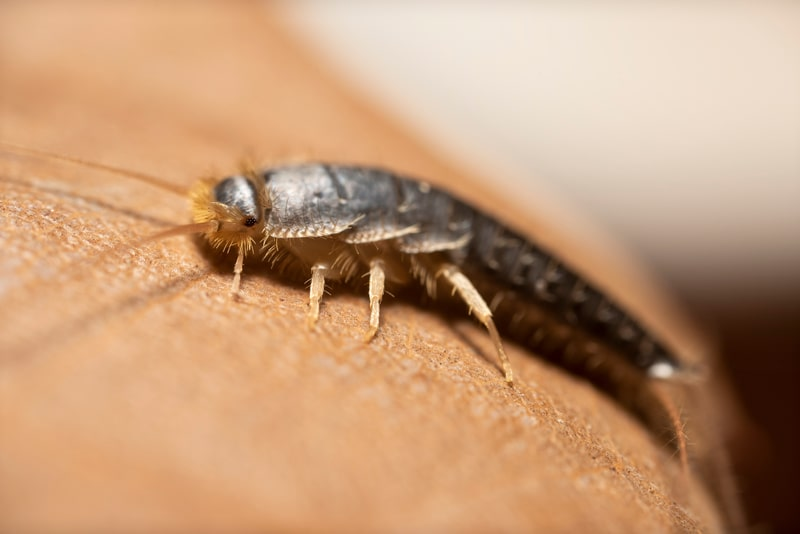
Ever notice a quick, silvery flicker near the baseboard and think, “That was odd”? Before you chalk it up to imagination, consider this: in many homes, one quiet clue predicts a cascade of issues—musty air, warped paper goods, irritated sinuses, and slow moisture problems. The clue isn’t a visible leak or a strong smell. It’s an unassuming insect: silverfish. And if you’re seeing them, your home may be signaling elevated indoor humidity, sub-optimal storage habits, and lagging indoor air quality—signals most people miss until the damage is done.
Silverfish are small, wingless insects with a tapered shape and quick, darting movement. They prefer cool, moist environments and feed on starches and proteins found in everyday items—book bindings, cardboard glues, wallpaper paste, some textiles, and pantry crumbs. When they show up, they’re not just announcing themselves; they’re highlighting a set of conditions that are easy to overlook yet simple to improve once you know where to look.
What this clue often revealsIndoor humidity that stays too high, especially in bathrooms, basements, laundry rooms, or under-sink cabinets. Those same conditions encourage mold and dust mites, degrading indoor air quality.Paper and textile food sources—stacks of cardboard, stored files, photo boxes, paper crafts, fabric bins—kept near floors or outer walls where moisture lingers.Low airflow—stagnant corners behind furniture or inside closets where humidity and dust accumulate.The hidden dangers tied to silverfish (and how they sneak up on you)1) Elevated indoor humidity can snowball into bigger issuesSustained relative humidity above about 50–60% creates a friendly environment for mold growth and dust mites. Many building and health experts recommend keeping indoor humidity ideally around 30–50% (and under 60% at the high end). Besides comfort benefits, this target range helps protect indoor air quality and discourages moisture-loving pests that pest control pros are often called to manage.
Why it matters: higher humidity can lead to musty odors, condensation on windows or pipes, peeling finishes, and discomfort for people with allergies or asthma. A few slow weeks of excess moisture are all it takes to set off a chain reaction you’ll be managing for months—making proactive mold prevention a smart investment.2) Quiet damage to paper goods, keepsakes, and fabricsBecause silverfish are attracted to starchy glues and natural fibers, they can nibble on books, photos, wallpaper, scrapbooks, and some textiles. The harm is often slow and scattered—easy to miss until you open a box and discover fuzzy edges or fine paper frays. If you value archives, collectibles, or family albums, treat a single silverfish sighting as a nudge to improve storage and humidity.3) A sign that allergens may be building upEven if silverfish aren’t a top allergen by themselves, the conditions that support them—dampness, dust, and clutter—tend to align with higher loads of mold spores and dust mites. Reducing indoor humidity and improving ventilation can help sensitive individuals breathe easier while improving overall indoor air quality.
