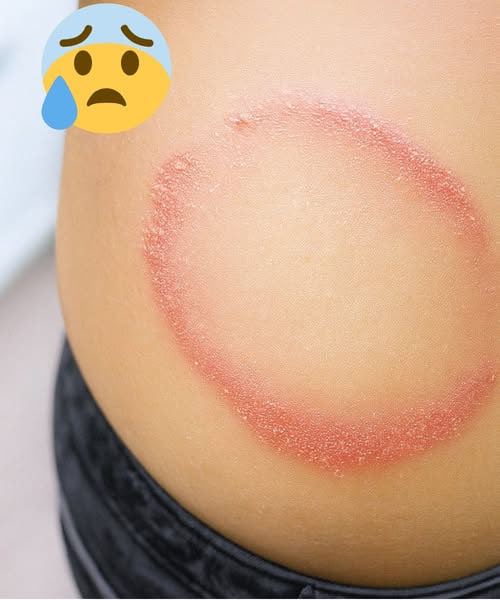
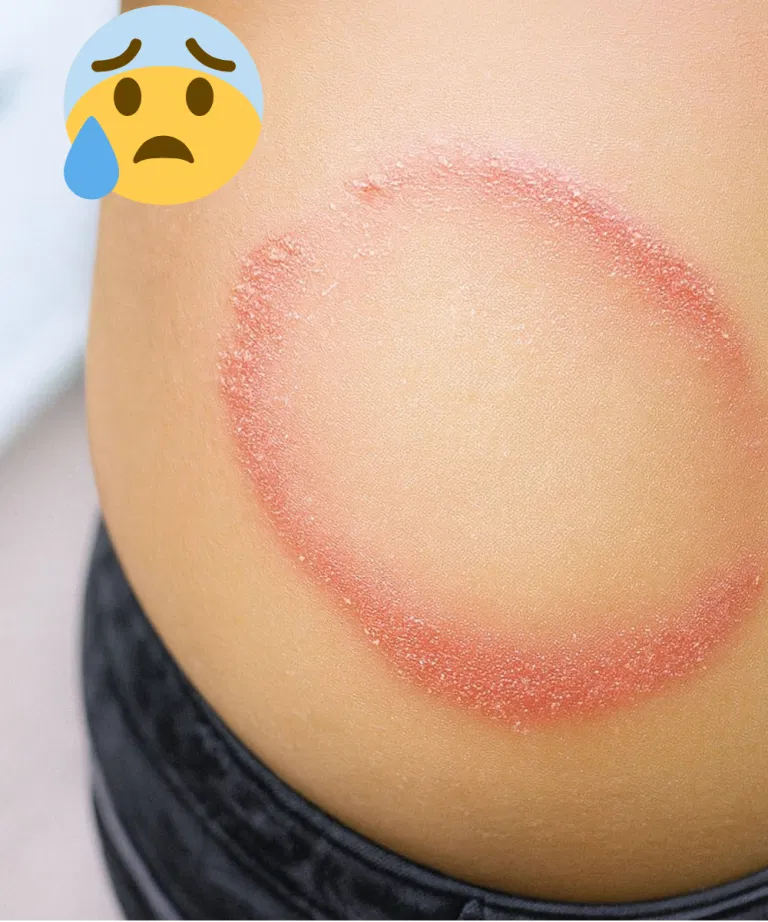
Skin fungus is a common infection caused by fungi that thrive in warm, moist environments. One of the most frequent types is ringworm — a superficial infection affecting the skin, scalp, nails, or other body areas, often appearing as red, ring-shaped rashes that may itch or scale.
Fungi spread through direct contact with infected people, animals, contaminated objects, or damp surfaces like gym floors and public showers. Risk increases with excessive sweating, tight clothing, or poor hygiene.
Treatment depends on severity. Mild cases respond to topical antifungals such as clotrimazole, miconazole, terbinafine, or ketoconazole. Severe or widespread infections may require oral antifungals like itraconazole or fluconazole. Onychomycosis and scalp infections often need longer treatment.
Natural remedies like diluted tea tree oil, apple cider vinegar, garlic, aloe vera, or baking soda can complement medical care but shouldn’t replace prescribed medication.
Prevention includes keeping skin dry, avoiding contact with infected individuals or animals, wearing breathable shoes, and maintaining strong immunity.
Prompt diagnosis and treatment can fully resolve skin fungus and ringworm, restoring healthy skin.
