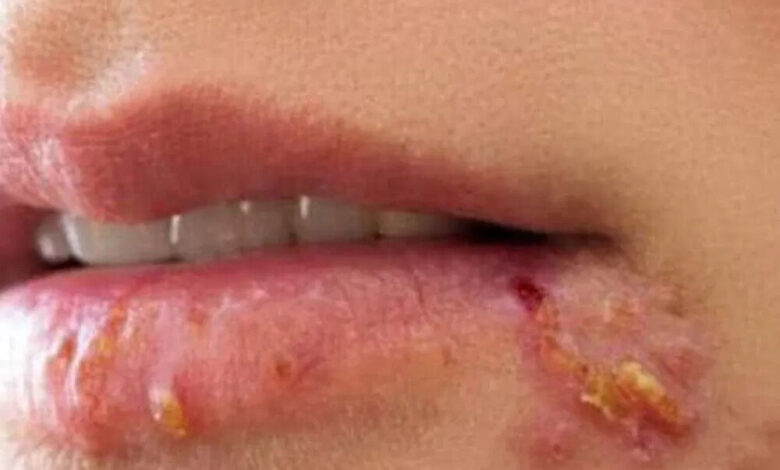
Cold sores, also called fever blisters, are caused by the herpes simplex virus type 1 (HSV-1). While generally harmless, they are contagious, painful, and tend to recur. That’s because HSV-1 never fully leaves the body—it hides in nerve cells and reactivates when triggered.
Most people contract HSV-1 in childhood through kissing or sharing items like utensils or lip balm. After the first infection, the virus goes dormant but reappears during stress, illness, sun exposure, hormonal changes, or fatigue. Outbreaks usually occur around the lips, nose, or chin.
Early warning signs include tingling, itching, or redness, followed by blisters that burst and crust over within days. Healing typically takes 2–4 weeks. Starting treatment early helps shorten recovery. Antiviral medications such as acyclovir or valacyclovir are most effective. Over-the-counter creams, pain relievers, and natural soothers like aloe vera or lemon balm can also ease discomfort.
Prevention focuses on managing stress, getting enough rest, and protecting lips with SPF. Avoid kissing, sharing personal items, or touching sores during outbreaks.
While there’s no cure yet, research continues into vaccines and new treatments. With early care and healthy habits, cold sores can be effectively managed.
