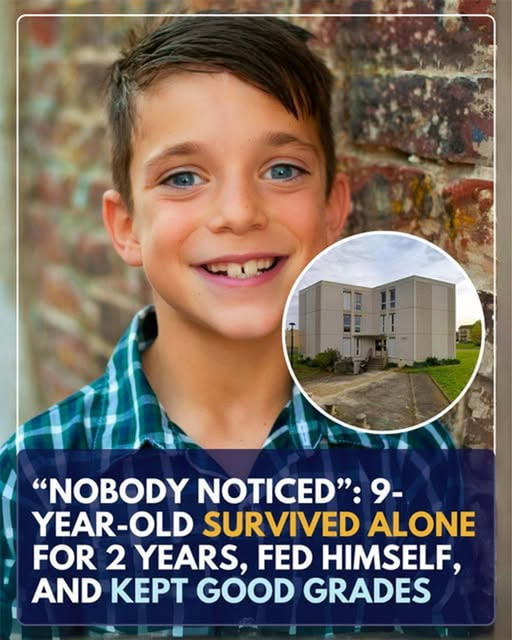
In the quiet commune of Nersac, France, a nine-year-old boy lived two years in near-total isolation, surviving without meaningful adult care. What makes his story haunting is not only the neglect he endured, but how well he concealed it. Despite hunger and loneliness, he attended school, performed well, and appeared clean—masking the reality of his suffering.
His mother lived nearby but rarely cared for him, leaving him to survive on canned goods or food scavenged from a neighbor’s balcony. With no adult ensuring his safety, he learned to adapt. His resilience kept him hidden in plain sight, delaying discovery.
Teachers and classmates saw a “normal” child. Only when a neighbor grew concerned did the truth surface. The case exposed how easily severe neglect can go unnoticed, raising urgent questions about the roles of schools and communities in protecting children.
Legal action was taken against his mother, but the boy’s ordeal has sparked wider debate in France about child welfare and vigilance. His story is both heartbreaking and inspiring—a reminder that no child’s suffering should remain invisible, and that survival should never require such silence.
