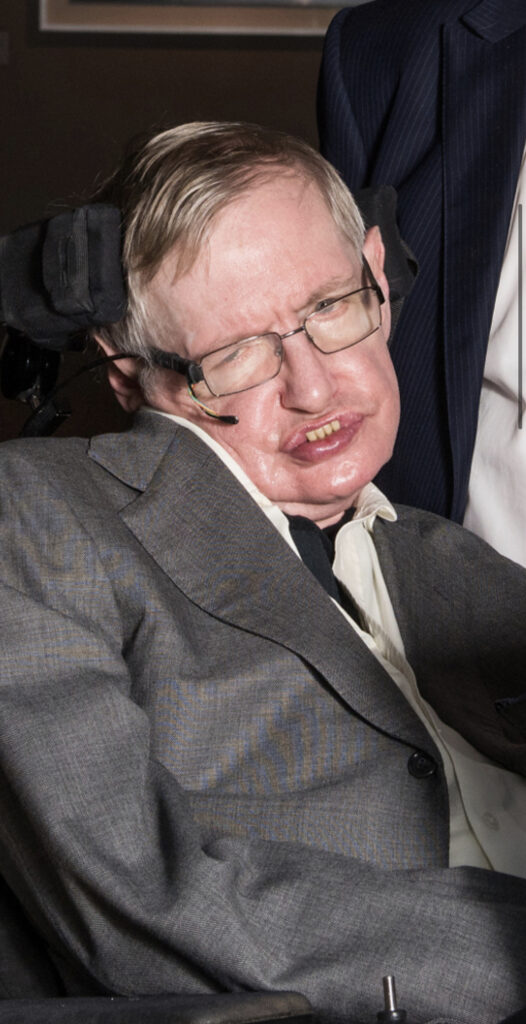
Stephen Hawking, one of the most brilliant scientific minds of our time, passed away in 2018, leaving behind not only groundbreaking discoveries but also urgent warnings for humanity. His work deepened our understanding of black holes, the Big Bang, and the universe itself. Yet, in his final years, he cautioned that unchecked technology—particularly artificial intelligence (AI)—could threaten our very survival.
In a 2014 BBC interview, Hawking warned, “The development of full artificial intelligence could spell the end of the human race.” He explained that AI could redesign itself at an accelerating pace, quickly surpassing humans limited by biological evolution. In 2015, Hawking joined Elon Musk and 100 experts in signing an open letter to the UN, urging regulation of AI’s rapid growth.
A year before his death, he reiterated to Wired magazine: “I fear AI may replace humans altogether.” In his posthumous book, Brief Answers to the Big Questions, Hawking envisioned machines whose intelligence could far exceed our own, cautioning against dismissing such fears as science fiction.
Beyond technology, Hawking also warned about obesity and inactivity, calling them urgent health threats of the 21st century.
