
Experts say that if you experience eye floaters, you shouldn’t panic—but you also shouldn’t ignore them. Since our eyes provide up to 80% of the information we take in, vision is vital for daily life, work, and relationships.
Floaters—those drifting black or gray specks, strings, or cobwebs—are a common part of aging. About seven in ten people will experience them. Many describe mistaking floaters for flies or spiders, only to realize nothing is there.
The Mayo Clinic explains that floaters form when the vitreous, the jelly-like substance inside the eye, begins to liquefy with age. Protein fibers clump together, casting tiny shadows on the retina. Most of the time, they’re harmless and long-standing floaters that don’t worsen are not a concern.
However, experts warn to seek medical help if floaters suddenly appear, multiply, or are accompanied by flashes, blurred vision, eye pain, or a dark “curtain” across your sight. These could signal serious conditions such as retinal tears or detachment.
Doctors recommend managing floaters by moving your eyes up and down, eating a nutrient-rich diet, and avoiding smoking. Supplements containing omega-3, zinc, and vitamin A may also support eye health.
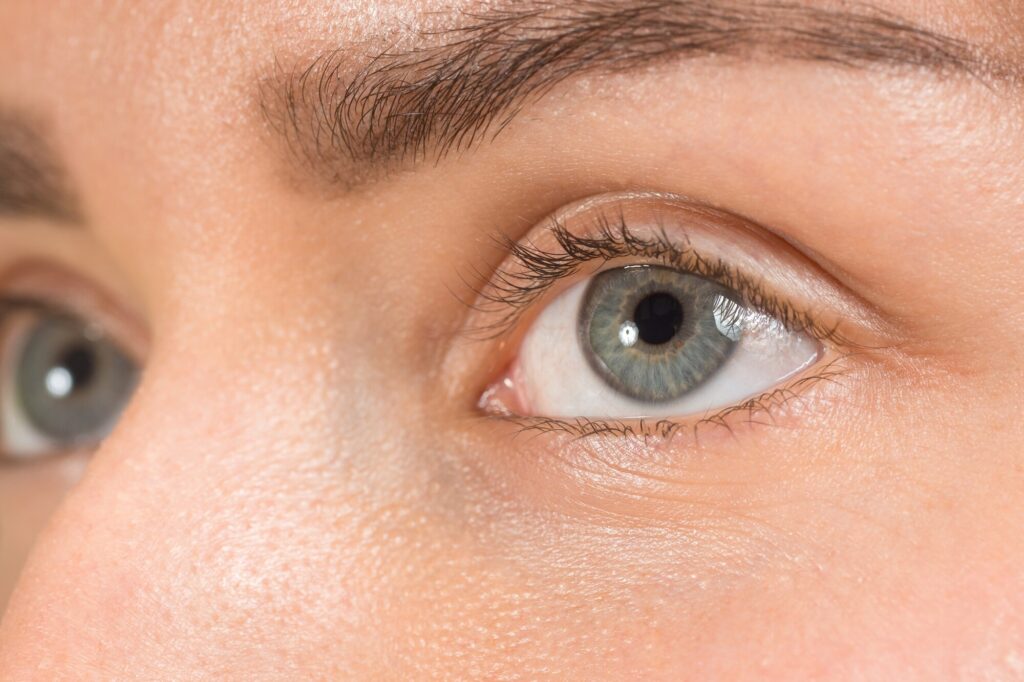
The Mayo Clinic explains that floaters form when the vitreous, the jelly-like substance inside the eye, begins to liquefy with age. Protein fibers clump together, casting tiny shadows on the retina. Most of the time, they’re harmless and long-standing floaters that don’t worsen are not a concern.
