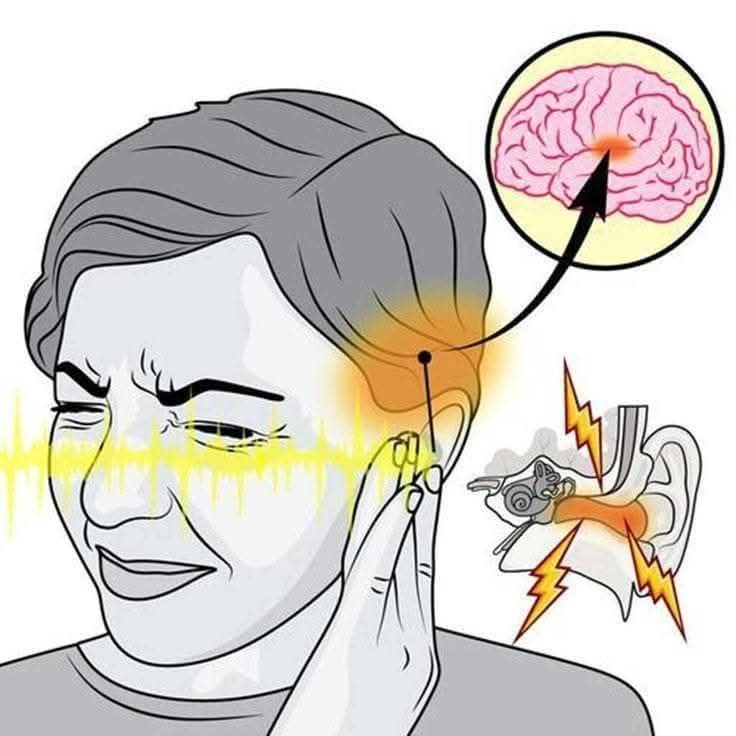
Ringing in your ears can be irritating and distracting. This condition is called tinnitus, and while it’s usually not serious, it can interfere with daily life. Tinnitus is often described as a ringing, buzzing, hissing, or clicking sound that doesn’t come from an external source.
There are two main types: subjective tinnitus, which only the affected person hears, and objective tinnitus, which in rare cases can also be detected by a doctor. Common causes include prolonged exposure to loud noises, age-related hearing loss, earwax blockages, infections, or underlying health conditions such as Meniere’s disease or high blood pressure. Some medications, like certain antibiotics or large doses of aspirin, can also trigger it.
Symptoms can vary widely—some experience occasional mild ringing, while others hear constant, disruptive sounds. Diagnosis usually involves hearing tests, physical exams, and sometimes imaging to identify underlying issues.
Though there’s no universal cure, management options exist. Sound therapy, cognitive behavioral therapy, and in some cases, medication, can help. Lifestyle changes—such as reducing stress, protecting ears from loud noises, and practicing healthy habits—also make a difference. Persistent tinnitus should always be evaluated by a healthcare professional.
