
Disclaimer: This article is based on information available from local reports and public safety sources at the time of writing. Details may be updated as the investigation continues.
Elkhart County Multi-Vehicle Crash Shuts Down U.S. 20: Lessons from Large-Scale Highway Accidents
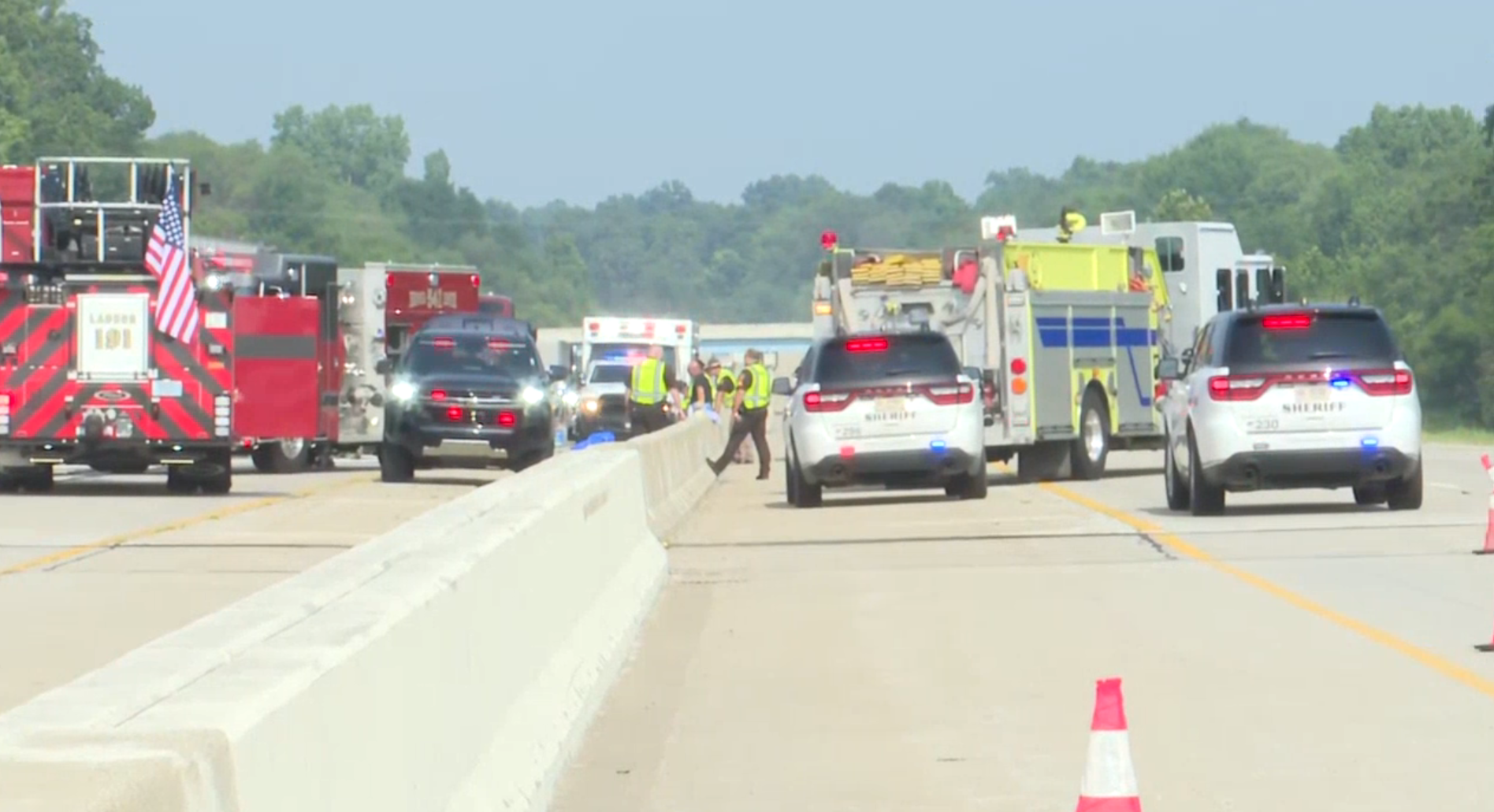
Elkhart County, Indiana — A serious multi-vehicle crash shut down a stretch of U.S. 20 in Elkhart County on Wednesday morning, leaving two drivers injured and prompting a large-scale emergency response. Authorities confirmed that the highway has since reopened, but the incident highlights the dangers of chain-reaction crashes and the complex challenges first responders face when they occur.

The Crash on U.S. 20
The crash happened just after 8 a.m. in the eastbound lanes of U.S. 20 between County Roads 7 and 9, near the U.S. 33 exit. According to officials, the accident involved two semis, a car, and a jeep.
Investigators say the crash began when an eastbound semi approached traffic that had slowed for construction. The driver attempted to stop but reported that his brakes failed. The truck struck a car, which was pushed into a jeep, before the semi veered off the road and then swerved back into traffic, colliding with another semi.
The impact left debris scattered across the highway and forced a complete closure for several hours. Fuel spilled onto the roadway, requiring the HazMat team to secure the scene before cleanup could begin.

Injuries Reported
Authorities confirmed that the drivers of the car and the jeep were injured. One suffered lacerations and head pain, while the other sustained neck and head injuries. Fortunately, both were wearing seat belts, which officials say helped prevent more serious outcomes.
The drivers of the semis were not seriously injured.
Investigation Underway
The Elkhart County Sheriff’s Department is leading the investigation. While brake failure has been cited as the initial cause, officials are also reviewing road conditions, traffic patterns near the construction zone, and other potential contributing factors.
Officials emphasized that mechanical failures such as brake issues underscore the importance of regular vehicle inspections—particularly for large trucks traveling at highway speeds.

Why Multi-Vehicle Crashes Are So Dangerous
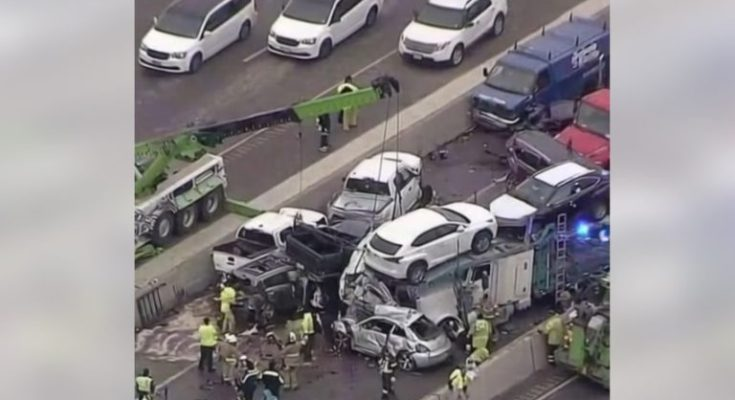
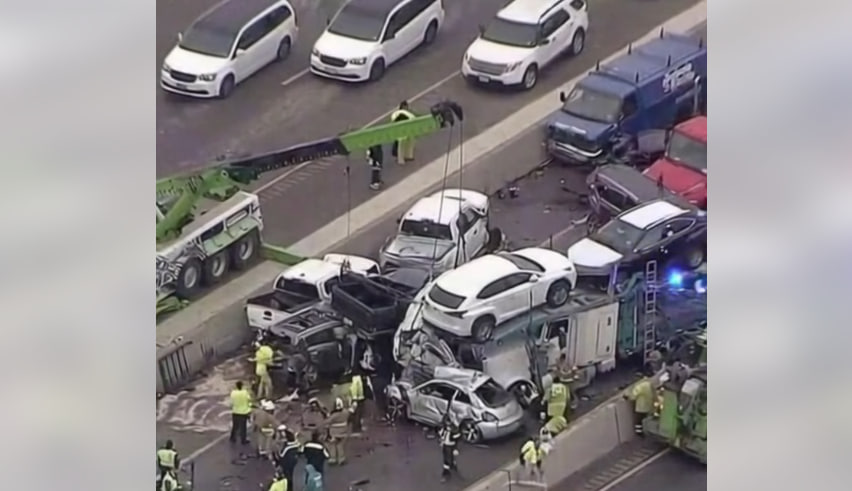
While this crash involved four vehicles, large-scale pileups can include dozens or even hundreds of cars. Such accidents often occur when:
- Traffic suddenly slows or stops.
- Drivers follow too closely.
- Weather reduces visibility or road traction.
- Distractions delay reaction times.
Once one collision occurs, subsequent drivers may have little time or space to avoid crashing, creating a chain reaction. These incidents can span long stretches of roadway and cause significant injury and property damage.
Challenges for First Responders
Multi-vehicle crashes are among the most dangerous situations for police, firefighters, and emergency medical personnel. Responders must manage:
- Hazards from fuel spills or fires
- Unstable vehicles and trapped occupants
- Downed power lines or hazardous cargo
- Panicked or wandering civilians
According to the U.S. Fire Administration, roadway incidents are the second leading cause of firefighter fatalities, underscoring the risk that responders face in these environments.
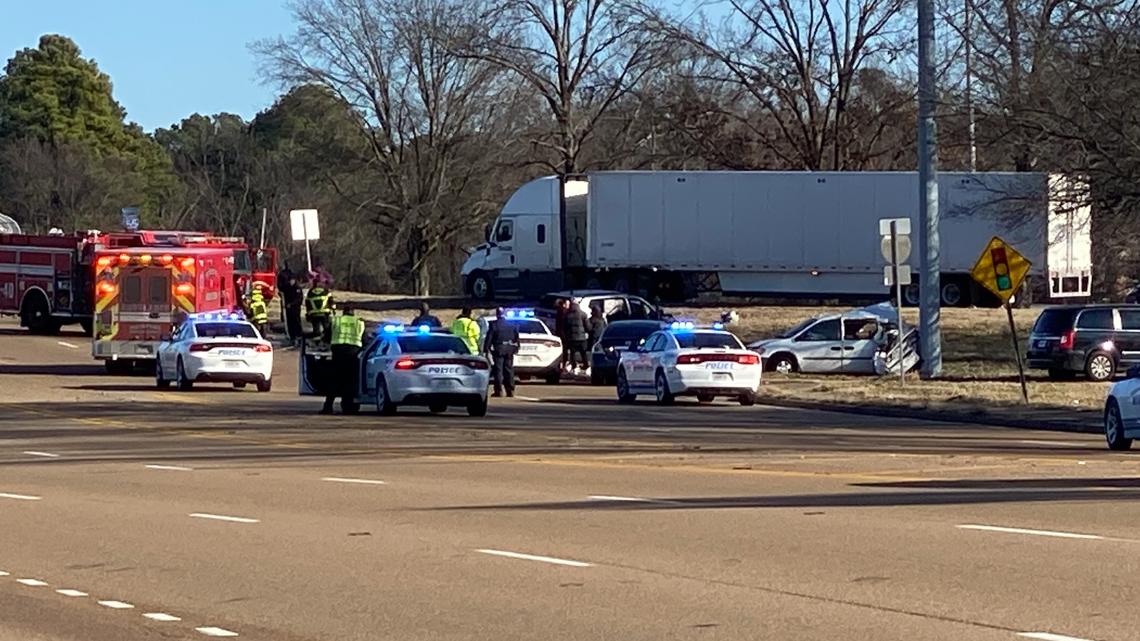
Major crashes unfold in phases. First responders assess hazards and triage victims. Unified command follows, coordinating police, fire, and EMS while treating and transporting the injured. Tow crews, utilities, and highway teams then secure the site. Leadership manages extended operations, rescue teams free the trapped, and HazMat units suppress threats. Drivers can help prevent such chaos by staying alert, maintaining vehicles, slowing in work zones, and avoiding distractions.
