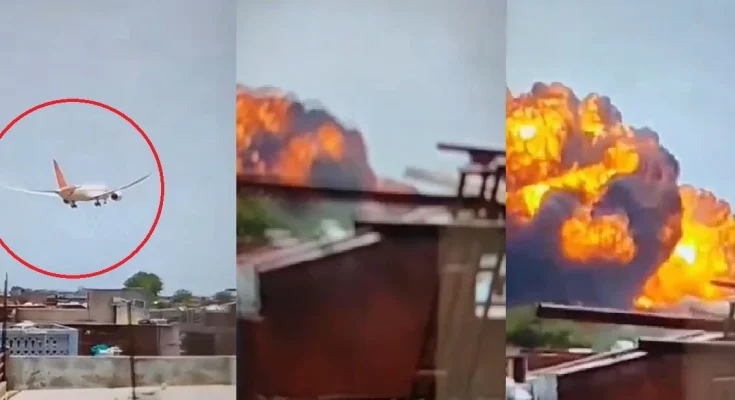
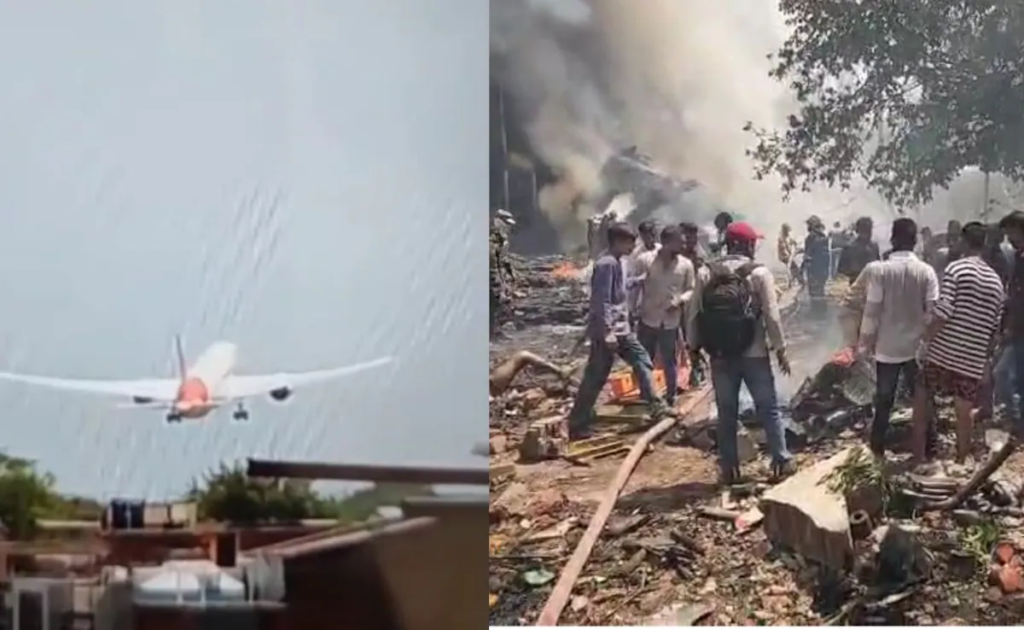
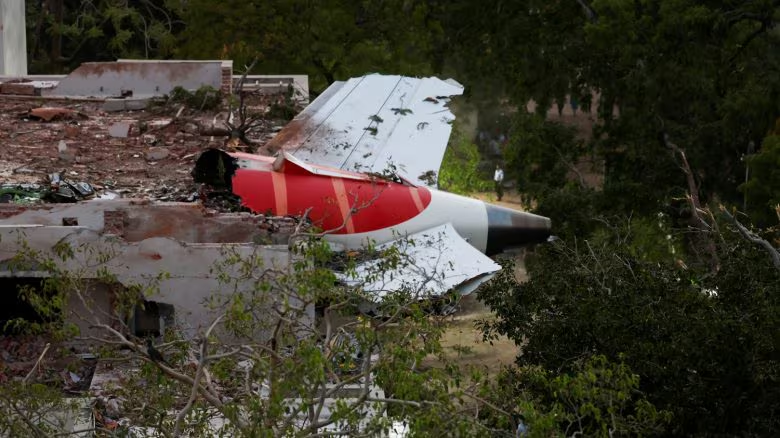
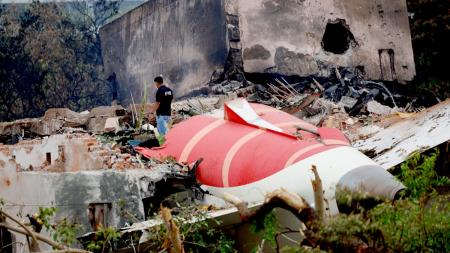
On June 12, 2025, tragedy struck when Air India Flight AI-171, a Boeing 787 Dreamliner bound for London Gatwick, issued a Mayday call seconds after takeoff from Ahmedabad. Carrying 242 people, the aircraft lost contact with Air Traffic Control before crashing into a residential area in Meghaninagar at 1:39 PM IST.
A Mayday call is the most urgent distress signal in aviation, reserved for situations involving “grave and imminent danger.” Pilots repeat it three times—“Mayday, Mayday, Mayday”—to ensure clarity. Originating from the French phrase m’aider (“help me”), it was adopted internationally in the 1920s to complement SOS.
Unlike a Pan-Pan call, which signals a serious but not life-threatening issue, a Mayday alerts controllers to emergencies such as engine failure, fire, or structural damage. Pilots must provide details including position, altitude, fuel, persons aboard, and the nature of the crisis.
Though Flight AI-171’s Mayday was its final transmission, it enabled immediate activation of rescue operations. Such calls not only guide emergency responders but also provide critical data for investigators, reinforcing the importance of training, preparedness, and strict aviation safety protocols.
