Hidden Dangers: Snake Bites from Toilets
Understanding how snakes enter bathrooms, the health risks they pose, and how to stay safe
Snake encounters in toilets may seem like urban legends, but these incidents are real and increasingly reported around the world. Snakes, both venomous and non-venomous, can enter homes through sewer systems and plumbing infrastructure, hiding inside toilet bowls or bathroom drains. The danger becomes immediate when someone unknowingly sits or reaches near these hiding spots.
This article explores real-life cases, the science behind how these encounters happen, the medical risks involved, and how to prevent and respond to such situations safely.
Documented Global Incidents
Thailand: Python Bites Man in Toilet
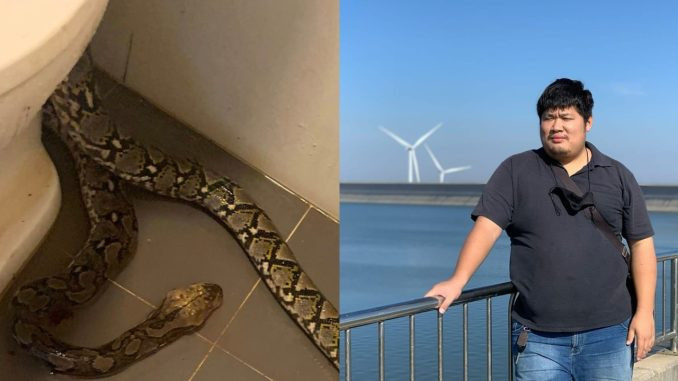
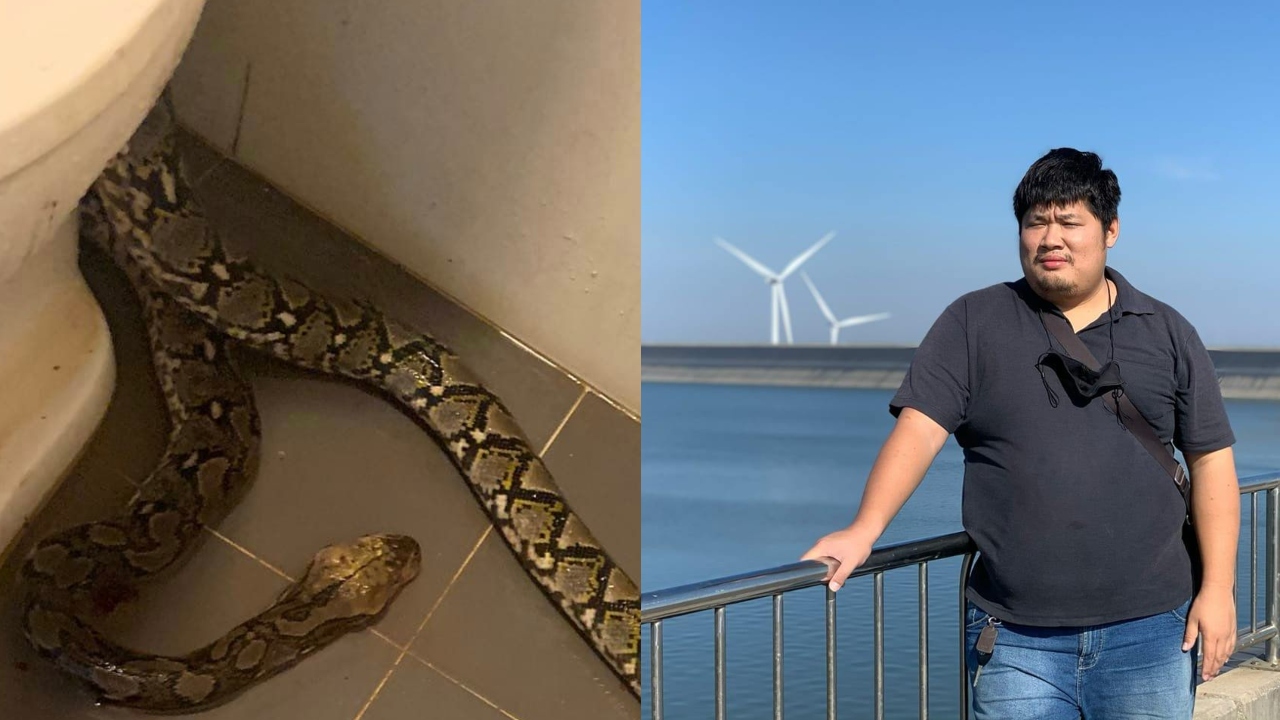
In August 2024, a man in Samut Prakan, Thailand, was bitten on the testicles by a 12-foot python hiding in his toilet. Though the python was non-venomous, the man was hospitalized for tetanus prevention and minor injuries. This event, widely reported in local and international media, reignited concern about the frequency of such occurrences in Southeast Asia.
South Africa: Cobra Bite During Safari
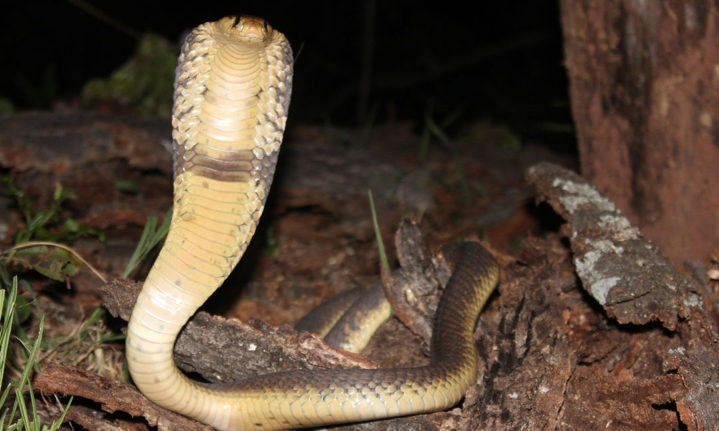
A Dutch tourist on safari in South Africa was bitten by a highly venomous Cape cobra while using a rustic outdoor toilet. The snake had hidden in the bowl, and the bite caused severe tissue necrosis. The victim required multiple surgeries, including full genital reconstruction. He recovered after being airlifted to a trauma center and receiving emergency antivenom and antibiotics.
Australia: Carpet Python in Brisbane
In Brisbane, a woman was bitten on the thigh by a carpet python coiled under her toilet seat. Though non-venomous, the bite caused deep puncture wounds and emotional distress. Local snake catchers later confirmed the python likely entered through roof ventilation or floor-level gaps.
United States: Rat Snake Incident in Texas
In Cedar Creek, Texas, a woman discovered a rat snake inside her toilet after being bitten while sitting down. Fortunately, the snake was non-venomous. Authorities warned local residents to inspect bathrooms during snake season and check for plumbing vulnerabilities.
Southeast Asia: Recurring Cases
In Malaysia and Thailand, several incidents involved both pythons and cobras entering homes during rainy seasons. In some rural areas, such incidents are underreported due to lack of public infrastructure or awareness.
How Snakes Enter Bathrooms
:max_bytes(150000):strip_icc():focal(1038x699:1040x701):format(webp)/Homeowners-Spy-Snake-Toilet-050325-04-218695298b7242b59cc811a9c3e5ab01.jpg)
Snakes are highly adaptable and can enter human environments in the following ways:
- Sewer systems: In areas where plumbing connects directly to outdoor septic tanks or poorly sealed sewer lines, snakes can slither upward through pipes and emerge in toilets.
- Ventilation shafts and open drains: In tropical and rural homes, especially with open-air plumbing, snakes may enter through ceiling vents, rooftop gutters, or ground-level drains.
- Broken plumbing or structural gaps: Snakes can exploit cracked tiles, worn pipes, or gaps between floors and walls to move through structures unnoticed.
Poorly maintained facilities in public parks, cabins, or outdoor toilets are especially vulnerable to these types of intrusions.
Types of Snake Bites and Their Effects
Non-Venomous Bite