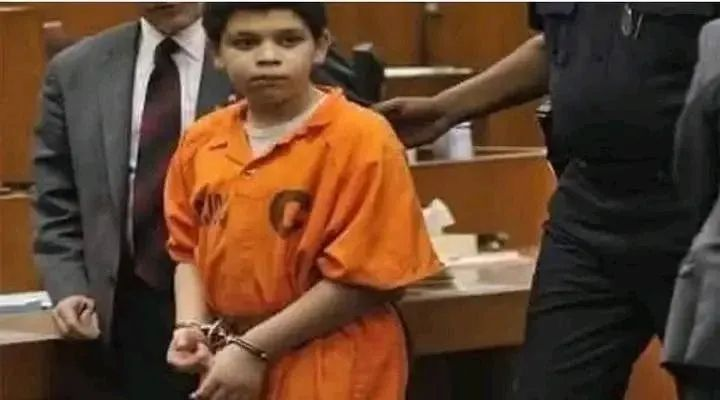
He sat in his cell, awaiting execution, and his last request drew attention to a troubling reality in the United States—a country with one of the world’s highest incarceration rates. According to Human Rights Watch and the Equal Justice Initiative, at least 79 minors under 14 are serving life sentences without parole.
The cases are varied and disturbing. Some children were involved in robberies that led to homicide, while others were charged as accomplices in crimes they did not directly commit. Most of these minors come from environments scarred by poverty, neglect, systemic racism, or domestic violence. One striking example is Lionel Tate, who at just 12 years old was sentenced for the death of a 6-year-old girl during a wrestling game. His case later drew attention to the issue of trying children as adults.
Critics argue such sentences violate fundamental human rights, stressing that children are still developing emotionally and mentally, while supporters claim certain crimes justify the harshest penalties. Despite Supreme Court rulings against mandatory life terms for juveniles, many cases remain unreviewed. Advocates continue pushing for reforms, highlighting rehabilitation, restorative justice, and second chances over lifelong punishment.
