The Sydney Opera House is one of the most recognized architectural icons in the world. Its soaring white sails, rising dramatically over Sydney Harbour, attract millions of visitors every year. It is more than just a performance venue; it is a symbol of Australia’s cultural identity.
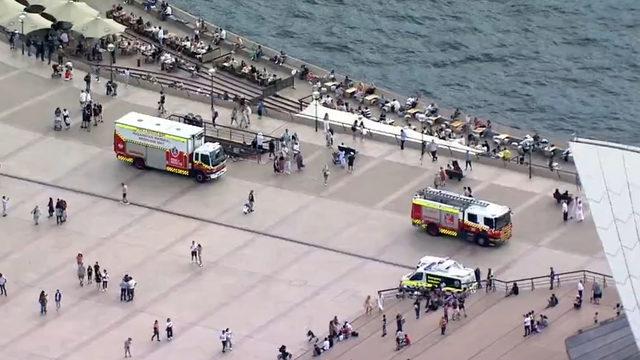
On Sunday afternoon, however, this world-famous building became the center of an unexpected emergency. At around 2:15 p.m., reports of a strong gas smell began to spread within the facility. Staff, concerned about potential risks, alerted emergency services. Within minutes, firefighters, HAZMAT crews, and NSW Police converged on the site to investigate.
What followed was a tense few hours in which approximately 200 people were evacuated from the area. For those present, it was a reminder that even in the most familiar public spaces, unexpected hazards can arise—and safety must always come first.

According to Fire and Rescue NSW, the gas smell originated in the basement area of the Opera House, a section of the building not accessible to the public. Despite its restricted location, authorities acted quickly. Specialized equipment confirmed “elevated” gas readings in the air. While there was no immediate sign of fire or explosion, officials decided to implement a controlled evacuation. Police assisted venue staff in moving people away from the affected zones. Tourists, maintenance crews, and contractors were directed outside while HAZMAT teams conducted further tests.
Although the evacuation was limited compared to the Opera House’s full capacity, the incident caused alarm among those nearby. Onlookers gathered outside the iconic building, watching firefighters in protective gear enter through service doors. For many visitors, it was a surreal sight: the sails of the Opera House framed against Sydney’s clear afternoon sky, while emergency sirens echoed across the harbour.
What Caused the Incident?
Initial fears of a gas leak at the Sydney Opera House were dispelled when Fire and Rescue NSW confirmed the source was its fire suppression system. These systems use inert gases like nitrogen to extinguish fires without water damage. In this case, it activated accidentally, flooding the basement with nitrogen and triggering alarms.
How Fire Suppression Systems Work

Though non-toxic, nitrogen can lower oxygen levels in confined areas, posing a risk. About 200 people were safely evacuated as firefighters monitored air quality. Officials later confirmed no injuries occurred, noting the system functioned correctly but unintentionally, prompting reviews to prevent future false activations.
