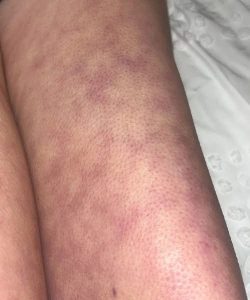
At first glance, it might seem harmless—perhaps a red or purplish rash on your legs after a warm day of walking or outdoor activity.
Many people shrug it off as sunburn, an allergic reaction, or a few bug bites. But what if it’s your body trying to tell you something more serious?
This seemingly mild rash could be exercise-induced vasculitis, a condition where small blood vessels—most often in the lower legs—become inflamed during prolonged activity in hot weather. It’s not widely known, yet it’s surprisingly common, particularly among active adults over 50, especially women.
What Is Exercise-Induced Vasculitis?
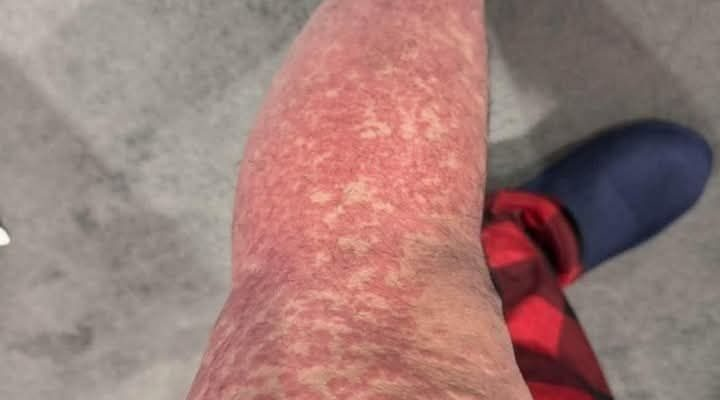
This condition occurs when physical exertion in heat causes blood to rush to capillaries near the skin’s surface. In some people, this process results in blood pooling in the lower limbs, leading to inflammation and a distinctive rash. It typically appears on the ankles, calves, or shins, sometimes even reaching the thighs.
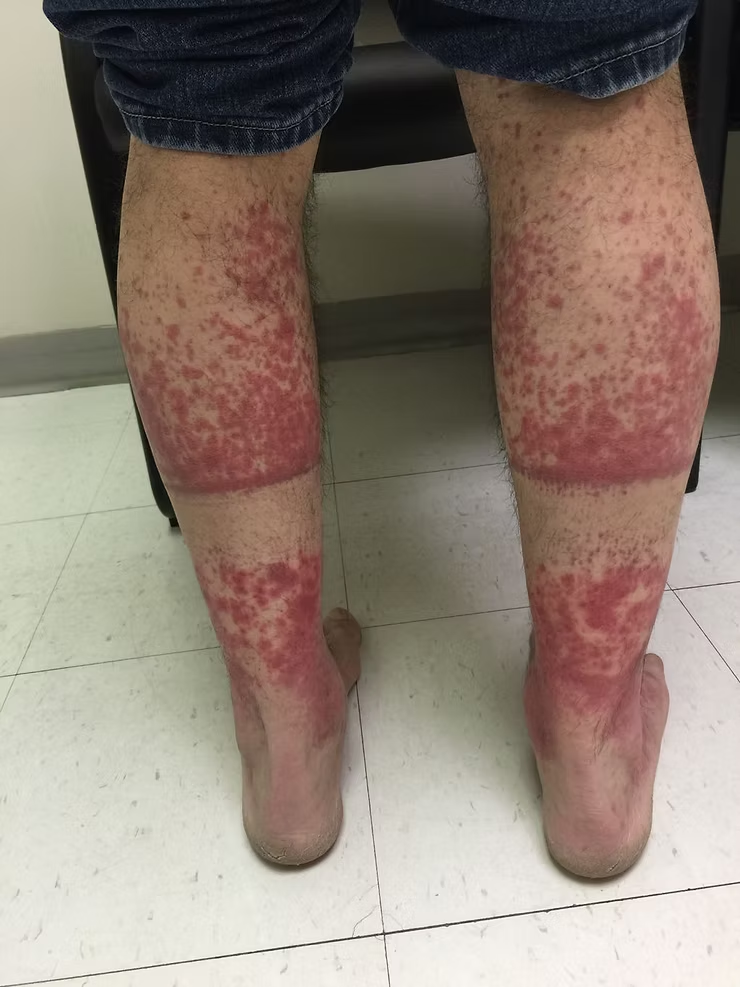
Many cases have been seen in cruise ship passengers, especially after long walks in hot climates. These individuals often return to their cabins to discover an unexpected rash forming just above the sock line. Assuming it’s an allergy, they seek treatment—only to be told that rest and leg elevation are the best remedy.
Recognizing the Symptoms
Symptoms include:
Itching or burning sensations
Redness or purple patches on the legs
A rash that appears a few hours after exercise
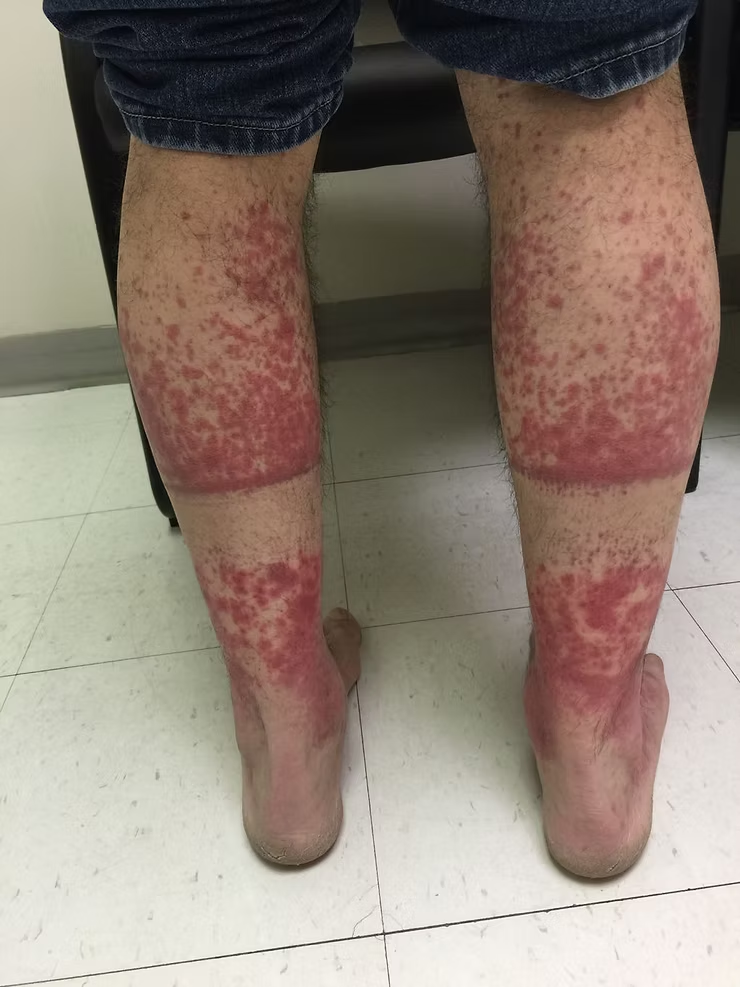
Mild swelling or tingling
In most cases, the rash resolves within 7–10 days once the person returns to a cooler environment and reduces physical activity.
How to Relieve It
Although it’s not dangerous, the rash can be irritating. Here are ways to ease the discomfort:
Cool Compresses: Apply a damp, cool cloth to affected areas (never use ice directly on the skin).
Elevate the Legs: Raising your legs above heart level improves circulation and reduces swelling.
Stay Hydrated: Proper hydration can support vascular health and prevent worsening of symptoms.
Antihistamines: Over-the-counter options may reduce itching or discomfort.
What to Avoid
Certain actions can worsen the condition:
Hot baths or hot tubs
Extended sun exposure
More strenuous activity
Massaging the rash
Using topical creams or muscle rubs (which are typically ineffective)
Antibiotics, whether applied to the skin or taken orally, as this is not an infection
Unfortunately, there’s little you can do to prevent this condition entirely, short of wearing compression stockings (which many find uncomfortable) or limiting exercise in hot environments.
When It Might Be Something More Serious
While exercise-induced vasculitis is usually harmless, some dangerous conditions can mimic its appearance. It’s important to be able to distinguish them:
Cellulitis: A bacterial infection that causes one leg to become red, swollen, warm to the touch, and tender. It often spreads quickly and may cause fever or malaise. Medical treatment is essential.
Folliculitis: This infection of hair follicles often appears as tiny red or pus-filled bumps and may follow hot tub use, especially if the water wasn’t well-sanitized.
Meningitis: A medical emergency. A key symptom is a non-blanching rash—it won’t fade when pressed—accompanied by feeling severely ill. Urgent hospital care is necessary.
Sepsis: A potentially fatal reaction to infection in the body. Look for pinpoint rashes, high fever, chills, and rapid breathing. Seek emergency care immediately.
Measles: Highly contagious, especially in children. It typically begins with flu-like symptoms followed by a spreading red rash. Immediate medical consultation is needed.
When to See a Doctor
If your rash appears suddenly, is painful, warm, or spreading—or if you feel unwell in any way—it’s vital to speak to a healthcare professional. Don’t assume it’s benign without ruling out other causes.
Other Names for the Condition
Exercise-induced vasculitis is also referred to as:
Golfer’s Vasculitis
Disney Rash
Hiker’s Rash
Regardless of the name, the underlying issue remains the same: inflammation of small blood vessels in response to heat and prolonged exertion.
Conclusion
While exercise-induced vasculitis is typically mild and self-resolving, it can look alarming—and it can be confused with far more dangerous conditions. Understanding the difference is key. If your symptoms are accompanied by fever, severe discomfort, or systemic illness, don’t wait—get medical attention.
Most importantly, listen to your body. Sometimes all you need is rest, hydration, and elevation. But when in doubt, it’s always safer to get a professional opinion—because when it comes to your health, it’s better to be cautious than sorry.
