Disclaimer: This article is for informational purposes only and not a substitute for professional medical advice. Always consult a qualified healthcare provider for diagnosis or treatment recommendations.
Aging is an inevitable part of life, and for men, it brings both visible and invisible changes. While wrinkles and graying hair are easy to spot, shifts in hormones, metabolism, and energy levels often go unnoticed — yet they play a major role in overall health.

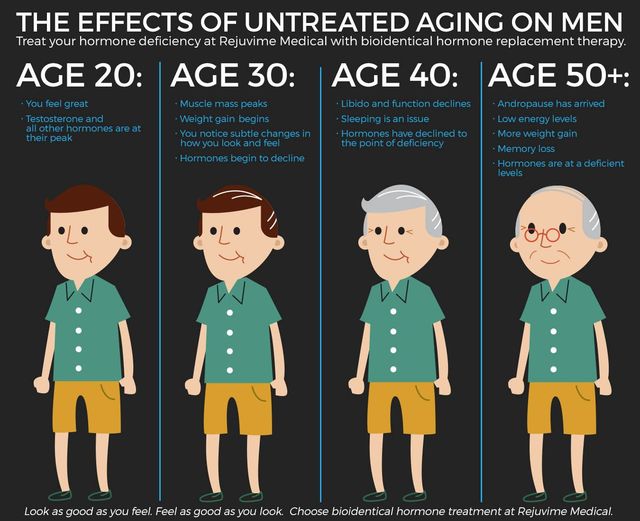

Doctors explain that after age 30, testosterone levels begin to decline by about 1% each year, leading to reduced energy, mood changes, or loss of muscle mass. However, regular exercise, good nutrition, and proper sleep can naturally support hormone balance.

Metabolism also slows with age, making weight maintenance harder. Strength training, protein-rich diets, and active living can help preserve muscle and keep metabolism steady. Heart health becomes increasingly important too — experts recommend regular checkups, low-sodium diets, and at least 150 minutes of exercise per week.

Other areas affected by aging include bone density, sleep quality, and emotional well-being. Staying socially connected, managing stress, and getting quality rest all promote longevity.
Ultimately, doctors say aging isn’t about decline — it’s about adaptation. With proactive care, men can remain strong, focused, and healthy well into their later years.
