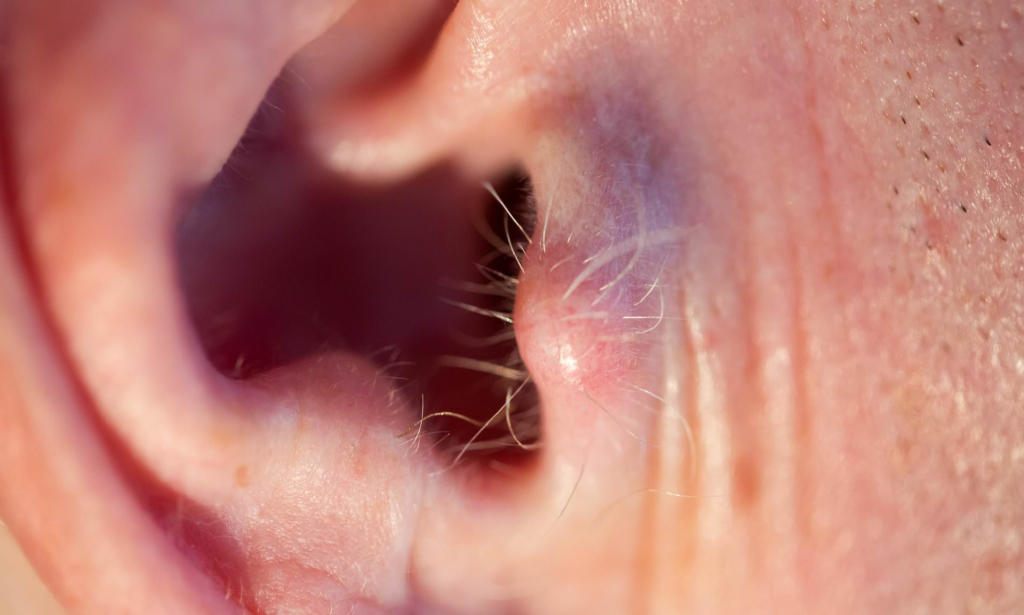
Many people are surprised the first time they notice hair on or inside their ears. While it may seem unusual, ear hair is actually quite normal and common. The human body is mostly covered in some form of hair, except for areas like the palms, soles, and lips. Ear hair, just like other body hair, serves important functions even though for some it becomes more noticeable with age.
If you have ever wondered why ear hair grows or what you can do about it, this article provides a comprehensive explanation of causes, the role of ear hair, its health implications, and safe ways to manage it.
Why Ear Hair Exists and Its Functions
.jpg?rev=653e41654a284a4d9ba5fdb1a3c2d727)
Ear hair appears on the outer ear and within the ear canal, serving protective and sensory functions. Inside the canal, it works with earwax to block dust and debris, while deeper microscopic hairs help with hearing and balance. Though largely an evolutionary remnant, ear hair remains a natural human feature.
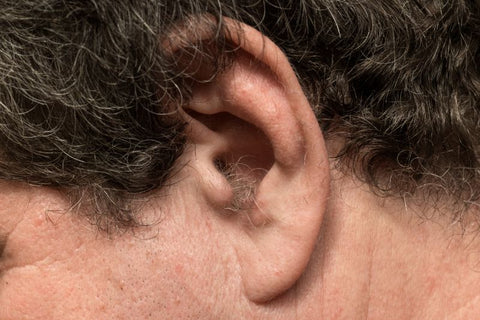
As people age—especially men—increased androgen levels can make ear hair thicker or longer. Trimming with a safe electric tool is the best way to manage it. Waxing or laser removal can also help, though professional care is advised. Overall, ear hair is harmless and simply part of normal human biology.
