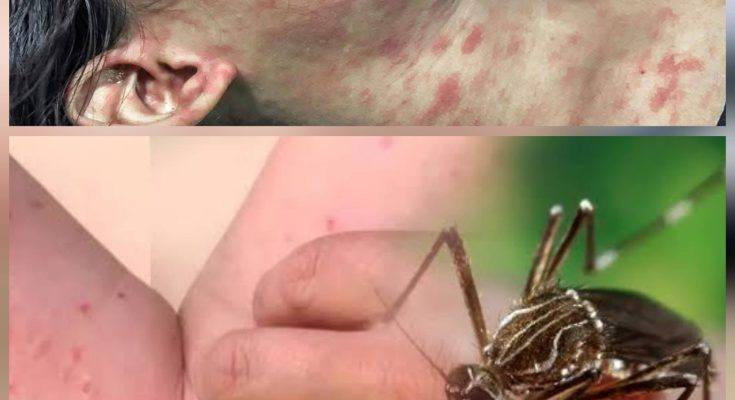
More than 7000 cases of chikungunya have been reported in China. Guangdong province in China is the worst-hit area, reporting the maximum number of cases. The US Centres for Disease Control and Prevention (CDC) has issued a Level 2 (Practice Enhanced Precautions) travel alert for all Americans travelling to China. The CDC has also recommended vaccination for travellers visiting an area with a chikungunya outbreak.
For the unversed, chikungunya is a viral vector-borne disease. It is transmitted to humans through the bite of infected mosquitoes, primarily the Aedes aegypti and Aedes albopictus species. The virus doesn’t spread from person to person through close contact, however, blood transmission may be possible.

What are the symptoms of chikungunya?
Chikungunya is characterised by a sudden onset of fever and severe joint pain. The incubation period is typically 3-7 days.
- High fever
- Severe joint pain and swelling
- Muscle pain
- Headache
- Fatigue
- Rash
Severe joint pain is one of the distinct symptoms of chikungunya, which may last for weeks, months and even years. Older adults or those with pre-existing conditions are also likely to experience severe joint pain, especially during extreme weather conditions. Other symptoms are generally self-limiting and improve within a week.
What are the treatment options for chikungunya?
Chikungunya treatment mainly focuses on relieving symptoms. Anti-inflammatory medicines and pain killers are usually used to manage fever and joint and muscle pain. Rest and adequate hydration also assist in quick recovery.
Is chikungunya fatal?
Chikungunya is rarely fatal. However, the elderly, newborns or individuals with pre-existing health conditions remain at a higher risk of severe complications.
Most symptoms are generally self-limiting and last for 2-3 days. The disease is characterised by an abrupt onset of fever, which is frequently accompanied by joint pain. Other common signs and symptoms include muscle pain, headache, nausea, fatigue and rash.
