When faced with someone in need, each of us is presented with a choice: to ignore them or extend a helping hand. While the decision may seem small, it often reflects deeper values, shaping our character and influencing those around us. Many are naturally inclined to help family, friends, or acquaintances, but the challenge grows when the person in need is a stranger—especially someone homeless or marginalized. Hesitation can stem from fear for personal safety, assumptions about the person’s circumstances, or the belief that someone else will step in. Concerns about how assistance will be used—whether wisely or not—can also hold people back.
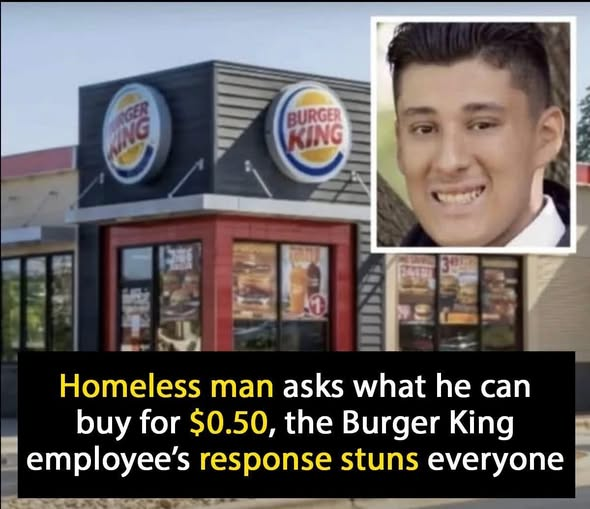
Yet, homeless individuals face daily struggles for food, shelter, and security, making even modest acts of kindness meaningful. Such actions provide not only practical help but also preserve dignity and humanity. In 2018, Matthew Resendez, a young Burger King employee, illustrated this truth. While working an evening shift, a weary homeless man asked, “What can I get for 50 cents?” Matthew’s response that night highlighted compassion’s power and the profound ripple effects of simple generosity.
