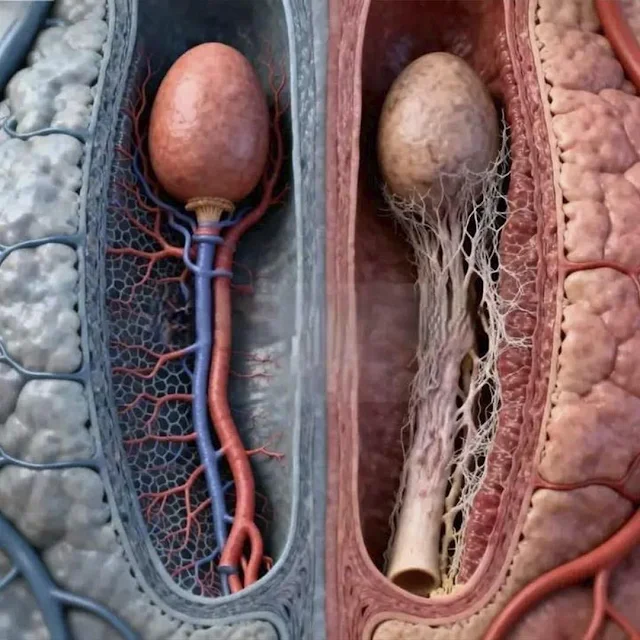
Aging is an undeniable, natural journey for every human body, marked by transitions that deserve understanding, not stigma. For men, this journey includes shifts in physical vitality, hormonal balance, and yes—sexual health. While crude headlines and locker-room myths might suggest otherwise, the reality is far more nuanced and deeply connected to a man’s overall well-being.
Let’s move past the whispers and into a thoughtful, fact-based conversation about what men and their loved ones can truly expect, and how to approach these years with knowledge and grace.
The Foundations: Hormones, Blood Flow, and Time
The changes men experience aren’t isolated to one part of the body; they’re part of a whole-body process.
- Hormonal Shifts: Beginning around middle age, testosterone levels naturally and gradually decline. This “andropause” is not as abrupt as menopause, but it can influence energy, muscle mass, mood, and sexual desire (libido).
- Cardiovascular Health: Sexual function is intimately linked to vascular health. Good blood flow is essential. Conditions like hypertension (high blood pressure), high cholesterol, and atherosclerosis (hardening of the arteries), which become more common with age, can directly impact sexual performance.
- Neurological Factors: The nervous system, including the brain, plays a crucial role in sexual response. Aging, along with conditions like diabetes, can affect nerve signaling.
