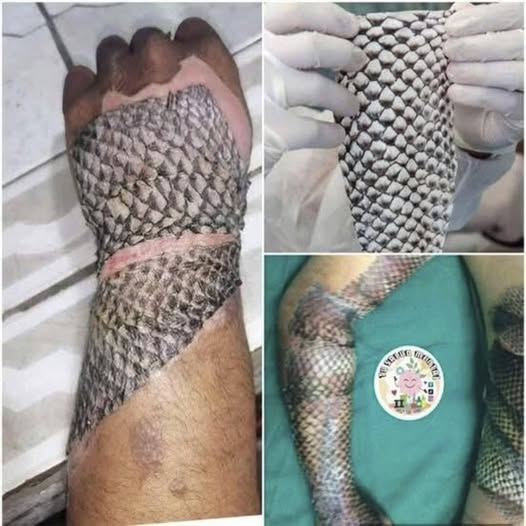
Medical innovation doesn’t always require advanced technology. In Brazil, researchers discovered that tilapia skin — once discarded as waste — could serve as an effective treatment for burn injuries. Rich in collagen types I and III, tilapia skin closely resembles human skin in structure and elasticity, making it an ideal temporary graft.
After thorough cleaning and sterilization, the skin is applied directly to burn wounds. It adheres naturally, forms a protective barrier, maintains moisture, reduces pain, and lowers infection risk. Patients often need fewer dressing changes, which speeds recovery and minimizes discomfort. Studies have also shown improved healing times and reduced scarring compared to some traditional treatments.
Because tilapia is widely farmed, the material is affordable and accessible, especially in resource-limited hospitals. What began as a local solution has gained global attention as a sustainable, low-cost alternative in wound care.
Tilapia skin represents a powerful example of how nature-inspired medicine can improve lives.
