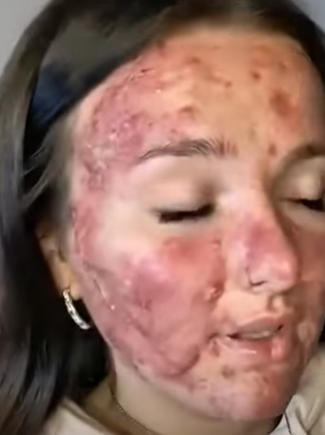
One morning, Emma Collins, a 29-year-old marketing professional from London, noticed something unusual on her face. Tiny red bumps had appeared almost overnight, leaving her skin itchy, blotchy, and irritated. Assuming it was a mild allergy or perhaps a reaction to a new skincare product, she applied a soothing cream and went on with her day.But days passed, and the condition only grew worse. The redness spread across her cheeks and forehead, and the itching intensified. Concerned, Emma finally decided to see a dermatologist. What she expected to be a routine consultation for an allergy turned into a life-altering diagnosis: early-stage skin cancer.
Close PlayerFrom Itchy Red Spots to a Skin Cancer Diagnosis: Warning Signs You Shouldn’t IgnoreOne morning, Emma Collins, a 29-year-old marketing professional from London, noticed something unusual on her face. Tiny red bumps had appeared almost overnight, leaving her skin itchy, blotchy, and irritated. Assuming it was a mild allergy or perhaps a reaction to a new skincare product, she applied a soothing cream and went on with her day.But days passed, and the condition only grew worse. The redness spread across her cheeks and forehead, and the itching intensified. Concerned, Emma finally decided to see a dermatologist. What she expected to be a routine consultation for an allergy turned into a life-altering diagnosis: early-stage skin cancer.
Emma’s story may sound alarming, but it is a real reminder that skin cancer often begins with signs so subtle that they are mistaken for everyday skin problems. Recognizing these early clues can make the difference between timely treatment and serious complications.In this article, we will explore eight surprising warning signs of skin cancer and why you should never ignore even minor changes to your skin.
Skin cancer is one of the most common forms of cancer worldwide. It occurs when skin cells grow uncontrollably, leading to tumors that can spread if not treated. While the disease can affect anyone, people with lighter skin tones, a history of sunburns, or excessive sun exposure face a higher risk.There are three primary types of skin cancer
