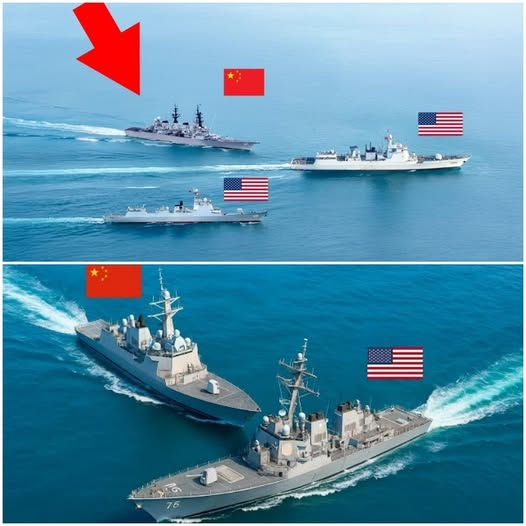
The contested waters of Southeast Asia remain a key flashpoint in the Indo-Pacific, involving overlapping claims by China, Vietnam, the Philippines, Malaysia, Brunei, and Taiwan. Rich in resources and vital for global trade, these waters are central to sovereignty disputes and great-power rivalry. China’s sweeping “nine-dash line” claim was rejected by a 2016 tribunal, but it continues to militarize artificial islands. The U.S., insisting on freedom of navigation under UNCLOS, conducts patrols that China views as provocations, fueling tense encounters at sea. With increased military presence and fragile communication, the risk of miscalculation and escalation remains dangerously high.

What to Watch
As of mid-2025, three key dynamics will shape the trajectory of U.S.–China tensions:
- U.S. Commitment to Alliances: Washington’s ability to reassure allies like the Philippines and Japan will determine whether the U.S. presence is seen as stabilizing or escalatory.
- China’s Assertiveness: Beijing shows no sign of backing down from its expansive claims, and its military modernization continues at a rapid pace.
- Regional Diplomacy: ASEAN countries are seeking a Code of Conduct with China, but progress has been slow. Whether diplomacy can reduce risks remains an open question.
Conclusion
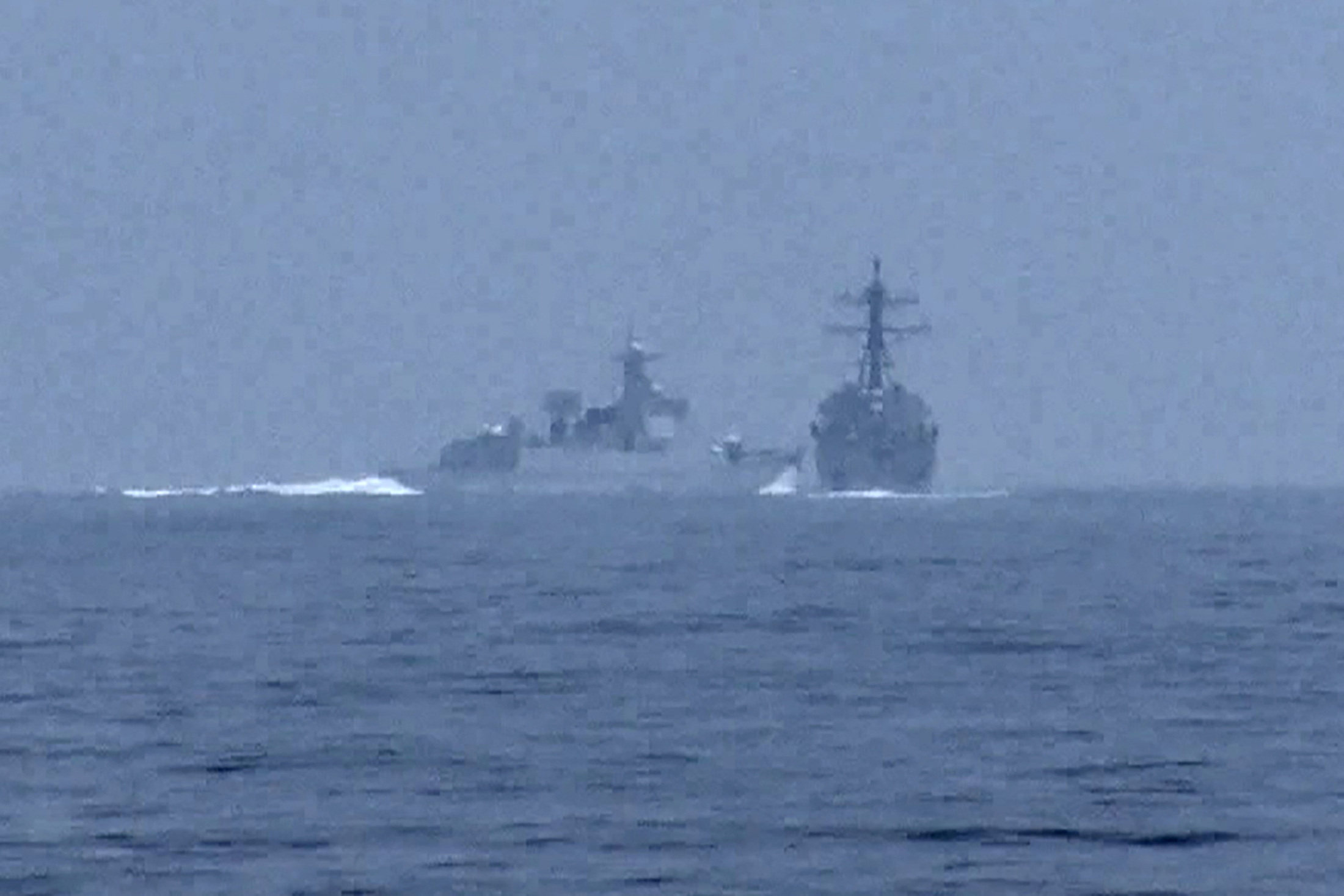
The contested waters of Southeast Asia have become a strategic crossroads where great-power rivalry and local sovereignty disputes collide. For the U.S., the issue is about defending freedom of navigation and supporting allies. For China, it is about asserting historical claims and expanding regional influence.
As tensions persist in 2025, the challenge for all parties is preventing incidents at sea from escalating into wider conflict. While diplomacy offers some hope, the reality is that the region will likely remain a hotspot for years to come.
