When you think about protecting your heart health, heart attack prevention is probably the first thing that comes to mind. However, the best way to avoid such a catastrophic event is to first prevent the more subtle heart conditions that can lead to one.
One such condition is peripheral artery disease (PAD), a common but serious heart condition that causes arteries to narrow over time. A 2005 study published in the medical journal BMC Cardiovascular Disorders found that 33 percent of PAD patients died within five years of their diagnosis.
That’s exactly why it’s so essential to notice the signs of less-often mentioned heart conditions, particularly PAD. Experts say there’s one specific, little-known symptom you may notice in your toenails that could indicate a problem. Read on to find out what subtle sign you should look out for and what your doctor may recommend you do about it.
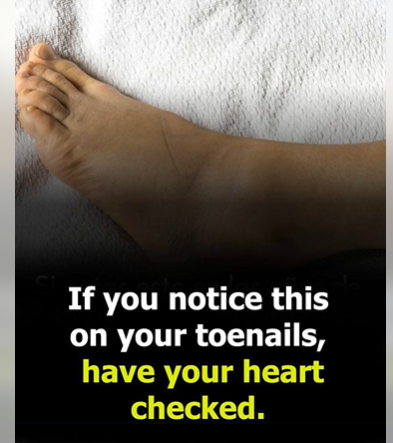
If your toenails are brittle and grow slowly, get your heart checked.
Peripheral artery disease (PAD) is a form of cardiovascular disease. It occurs when fatty deposits of cholesterol build up on the inner walls of arteries, a process called atherosclerosis. While not immediately life-threatening, PAD makes you more likely to develop other heart health problems, such as heart attack, stroke, coronary artery disease, and angina, warns the UK’s National Health Service (NHS).
Because PAD most commonly affects the arteries in the legs, many people with the condition notice symptoms in their legs and feet. People with PAD often report having “brittle, slow-growing toenails,” says the NHS.
According to the U.S. Vascular Centers, this occurs because the capillaries located beneath the nail bed need an oxygen-rich blood supply for nails to grow. As blood flow is restricted due to narrowed arteries, toenail growth may slow, and the color and texture of the nails and nail beds may change.
