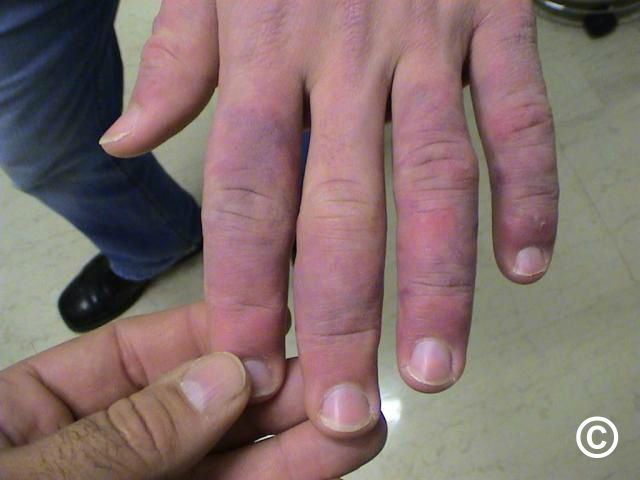
A tiny scratch from gardening, a small insect bite, or even a kitchen cut might not seem serious at first glance. Many people wash the wound quickly, cover it with a bandage, and then forget about it. But sometimes, these minor injuries can set the stage for infections that grow rapidly and become life-threatening if left untreated.Recent cases have reminded both doctors and the public that infections don’t always announce themselves loudly. Sometimes, the only warning signs are subtle changes — until the condition suddenly worsens. Understanding the risks, knowing the symptoms, and taking quick action are key to staying safe.
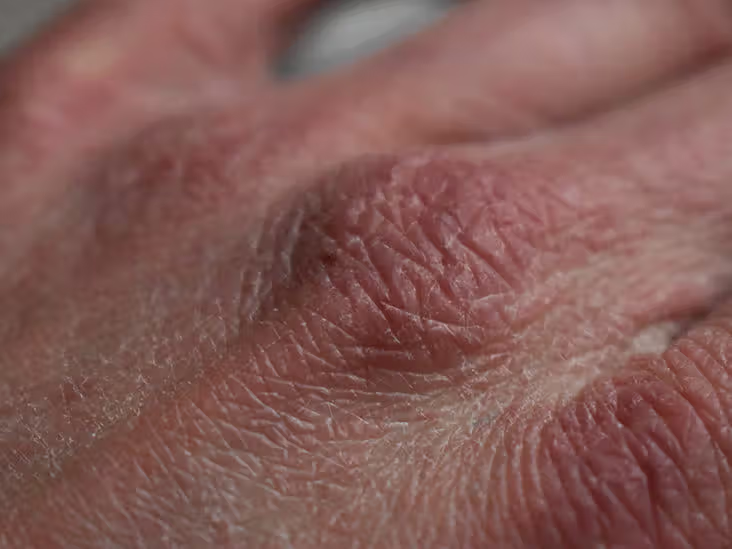
Small injuries can become serious if infections develop. Even minor cuts, scrapes, or insect bites allow bacteria or venom to enter the body. While the immune system often fights these off, untreated wounds can worsen quickly, especially in people with diabetes, weakened immunity, or circulation problems.
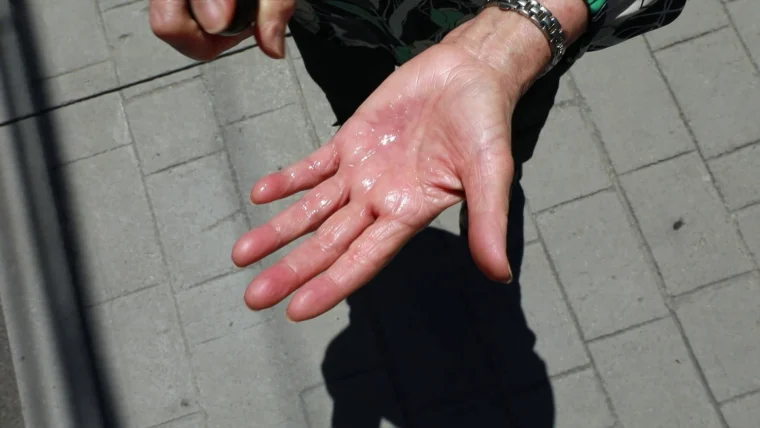
Infections typically progress through stages: redness and swelling, skin changes or blisters, then systemic reactions like fever or chills. In severe cases, complications such as sepsis may develop within 24–48 hours. Warning signs include worsening pain, spreading redness, dark discoloration, pus, or dizziness—any of which require urgent care.
Prevention is key. Always wash wounds with mild soap and water, apply antiseptic, and cover with a clean bandage. Avoid scratching bites, and change dressings regularly. Gloves and protective habits reduce everyday risks from gardening, cooking, or sports.
Doctors stress that early treatment makes a huge difference. Minor infections often respond quickly to antibiotics, while delayed care can lead to more intensive treatment and longer recovery. The bottom line: treat even small injuries seriously, monitor them closely, and seek medical help if symptoms escalate.
