Throughout history, people have sought guidance from unexpected sources during times of uncertainty.
One of the most enduring figures is Edgar Cayce, the American clairvoyant known as the “Sleeping Prophet.” While he is widely remembered for his holistic health readings, Cayce also shared insights into global events and humanity’s spiritual path.
As 2026 unfolds amid political tension, economic strain, and social unrest, renewed interest in his predictions invites a fresh look at his message of responsibility, conscious choice, and renewal.
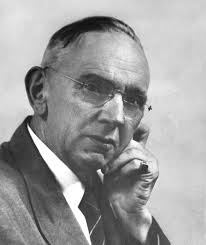
Cayce never spoke of the future as fixed or inevitable. Instead, he described “tendencies” and “consequences,” emphasizing that history is shaped by human action. He warned that when societies prioritize material gain over ethical and spiritual principles, upheaval follows—but he consistently reminded us that humanity has the power to change course.
Modern interpreters suggest that 2026 represents a symbolic turning point, not an apocalypse, but a moment when social, economic, and political pressures converge. Legacy institutions show strain, old economic models falter, and traditional belief systems face challenges from emerging realities.
Cayce framed these moments as opportunities: crises are not punishment but catalysts for growth. Collapse clears space for renewal, provided we act with awareness, courage, and compassion.
Among his most hopeful ideas is the notion of “zones of equilibrium.” These are not merely physical safe havens—they are communities and mindsets grounded in cooperation, empathy, and integrity. In such zones, individuals cultivate resilience that shields them from external instability, proving that inner strength and conscious living are as important as any societal reform.
Cayce emphasized that preparation is not about fear or isolation. True readiness comes from self-awareness, discernment in a world flooded with information, and nurturing heart-centered connections.
Each small act of honesty, kindness, or mindfulness contributes to a collective shift, reinforcing the idea that transformation begins within.
Ultimately, Cayce’s message is one of radical responsibility. The challenges of 2026, as he framed them, are not a preordained fate but an invitation to co-create the future. The collapse of outdated systems is a prelude to a better world—if individuals choose alignment with constructive, creative forces rather than ego and fear.
