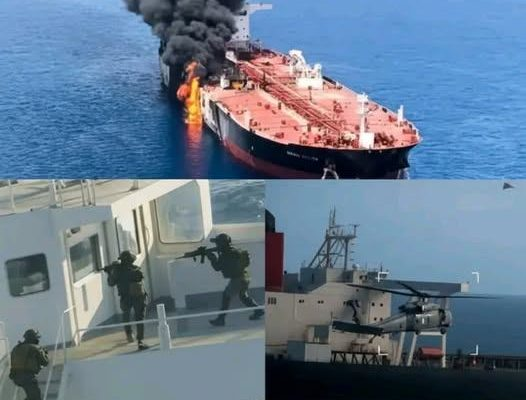
Defense officials confirmed that U.S. forces carried out a controlled maritime interception as part of routine security monitoring, stressing that the operation ended without escalation and caused no civilian harm. Authorities have withheld details about the vessel’s origin, cargo, or any detentions, citing standard protocol during active reviews. This cautious communication reflects efforts to limit misinformation during unfolding situations.
Defense analysts note that such interceptions are common, as global shipping lanes are closely monitored to deter trafficking, sanctions evasion, and other illicit activities. With rising geopolitical tensions, naval forces increasingly focus on surveillance, deterrence, and de-escalation to protect critical trade routes without provoking conflict.
Despite limited confirmed facts, the incident quickly fueled online speculation, highlighting how social media can distort public perception of routine military actions. Experts urge reliance on verified sources, emphasizing that most maritime interceptions are preventative and conclude quietly.
From a broader perspective, the episode underscores the strategic and economic importance of maritime security. While transparency matters, officials stress that some information must remain confidential to protect operations, personnel, and diplomatic relationships.
