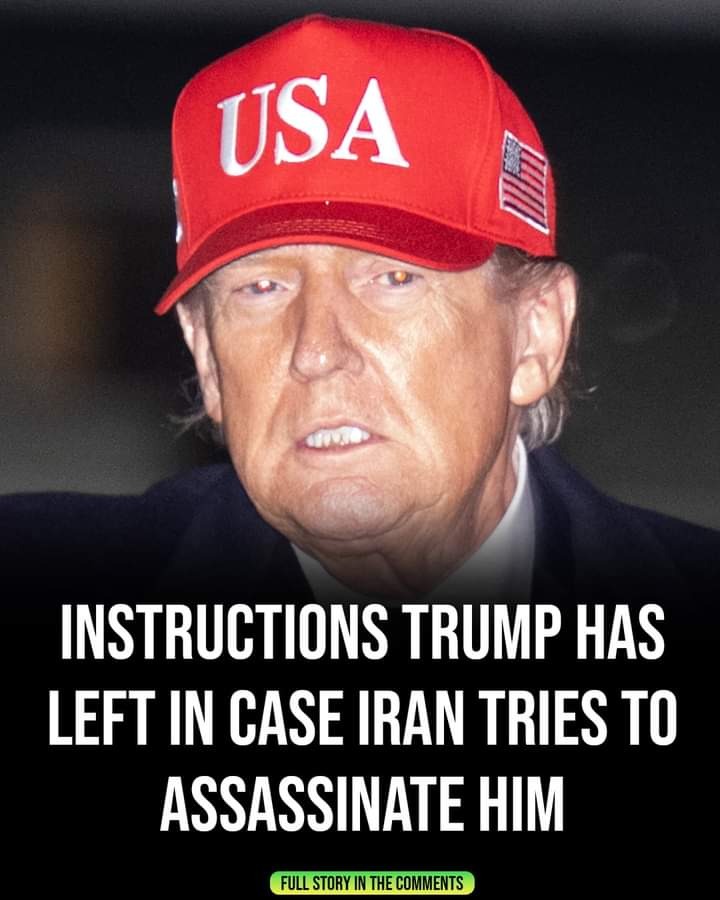
During remarks in 2025, Donald Trump attempted to balance menace with a fleeting promise of peace. He spoke of wanting nations to peacefully coexist, yet immediately vowed that any assassination attempt by Iran would trigger the country’s total obliteration.His warning extended beyond typical bravado. Trump claimed to have left explicit instructions authorizing overwhelming force should he ever become the target of an Iranian attack. The message was unmistakably clear and deliberately severe.Today, those words resonate with renewed urgency. Airstrikes, retaliatory drone attacks, and the death of a Supreme Leader now dominate headlines across the region. The landscape has shifted dramatically since that initial declaration.Trump’s warning transcended personal survival concerns. It articulated a philosophy of deterrence through fear: the principle that one man’s assassination could justify the complete erasure of an entire regime. This stance raises profound questions about proportionality and international norms.As the Middle East teeters on the edge of broader conflict, his earlier statements hang in the air like unanswered questions. The region watches and waits, caught between escalation and restraint.Observers now wonder about the true nature of those instructions. Were they primarily symbolic, designed for maximum political effect? Or did they represent a loaded weapon, primed and waiting for the wrong spark to ignite catastrophe?The distinction matters enormously. Between symbolic posturing and actual readiness lies the difference between political theater and genuine danger. As tensions mount and casualties accumulate, that question grows increasingly urgent for a world holding its breath.