Eczema

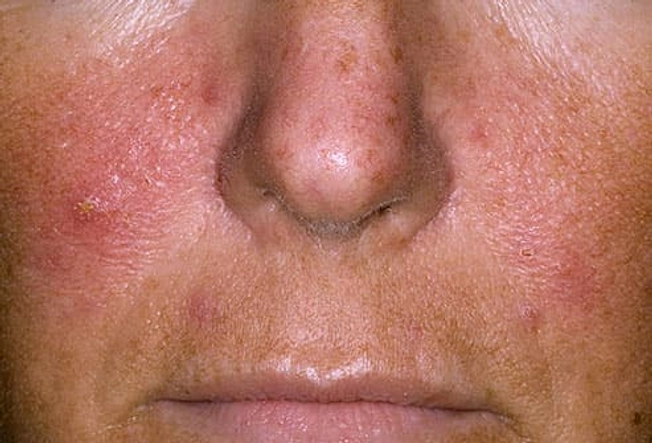
Eczema is a blanket term for several non-contagious conditions that cause inflamed, red, dry, and itchy skin. Doctors aren’t sure what makes eczema start in the first place, but they do know that stress, irritants (like soaps), allergens, and climate can trigger flares. In adults, it often appears on the elbows, hands, and in skin folds. Several medications treat eczema. Some are spread over the skin, and others are taken by mouth or as a shot.
A dermatologist, allergist, or primary care doctor can help you identify the correct treatment for eczema. The right treatment for you will depend on the type and severity of your eczema. You might find it helpful to combine more than one treatment.
Options include:
Medications
Oral over-the-counter (OTC) antihistamines can relieve itching. They work by blocking allergic reactions triggered by histamine. However, they can cause drowsiness, so it’s best to take them when you don’t need to be alert.
Examples include:
- cetirizine (Zyrtec)
- diphenhydramine (Benadryl)
- fexofenadine (Allegra)
- loratadine (Claritin)
Cortisone (steroid) creams and ointments can relieve itching and scaling. But they can have side effects after long-term use, including:
- thinning of the skin
- irritation
- discoloration
Low potency steroids, like hydrocortisone, are available OTC and can help treat mild eczema. High potency steroids for moderate or severe eczema can be prescribed by a doctor.
A doctor might prescribe oral corticosteroids when topical hydrocortisone isn’t helping, These can cause serious side effects, including bone loss.
To treat an infection, a doctor may prescribe a topical or oral antibiotic.
Immunosuppressants are prescription medications that prevent your immune system from overreacting. This prevents flare-ups of eczema. Side effects include an increased risk of developing cancer, infection, high blood pressure, and kidney disease.
Therapies
Light therapy, or phototherapy, uses ultraviolet light or sunlamps to help prevent immune system responses that trigger eczema. It requires a series of treatments and can help reduce or clear up eczema. It can also prevent bacterial skin infections.
Lifestyle changes
Stress can trigger symptoms or make them worse. Ways to reduce stress include:
- doing deep breathing exercises
- practicing yoga
- meditating
- listening to relaxing music
- prioritizing a good night’s sleep
A cold compress can help alleviate itching, as can soaking for 15 to 20 minutes in a warm or lukewarm bath.
Alternative treatments
Alternative treatments may help calm the symptoms of eczema. Because of potential side effects, always check with your doctor before using an herbal supplement or beginning an exercise routine. Popular home remedies include:
- green, black, or oolong tea
- coconut, sunflower, borage, and primrose oils
- acupuncture
- aromatherapy
- relaxation techniques, like meditation, yoga, progressive muscle relaxation, or guided imagery
