US Politics and Current Events: News, Analysis, and Opinion Pieces on Domestic and International Politics, Policy, and Social Issues

Introduction
The political landscape in the United States has always been dynamic, marked by shifting alliances, evolving policies, and a constant struggle between competing ideologies. In recent years, this landscape has been further complicated by increasing polarization, the rise of populist movements, and the impact of global events on domestic politics. This post delves into the current state of US politics, providing news, analysis, and opinion on key domestic and international issues shaping the nation’s future.
The State of US Politics: A Deeply Polarized Nation
One of the most striking features of contemporary US politics is the deep polarization that has come to define the nation’s political discourse. This polarization is evident not only in the partisan divide between Democrats and Republicans but also in the cultural and ideological rifts that separate Americans on issues ranging from immigration and healthcare to gun control and climate change.

The Roots of Polarization
The roots of this polarization can be traced back to several factors, including the rise of partisan media, the increasing influence of social media, and the growing divide between urban and rural areas. Partisan media outlets, both on the left and right, have contributed to the echo chambers in which many Americans find themselves, where they are exposed only to information that reinforces their pre-existing beliefs. Social media platforms have amplified this effect, allowing misinformation and extreme views to spread rapidly and gain traction among like-minded individuals.
The Impact on Governance
The impact of this polarization on governance has been profound. In recent years, Congress has struggled to pass significant legislation, with gridlock becoming the norm rather than the exception. Bipartisanship, once a hallmark of American democracy, has become increasingly rare, with both parties more focused on defeating the other than on finding common ground. This has led to a sense of frustration among the electorate, with many Americans feeling that their government is no longer capable of addressing the nation’s most pressing challenges.
Key Domestic Issues: Healthcare, Immigration, and Gun Control
As the US continues to grapple with its internal divisions, several key domestic issues have taken center stage in the political debate. These issues not only reflect the ideological divide within the country but also have significant implications for the future direction of US policy.
Healthcare
Healthcare has long been a contentious issue in American politics, and it remains one of the most polarizing topics in the current political landscape. The debate over healthcare centers on two key questions: how to provide access to affordable healthcare for all Americans and how to balance the cost of healthcare with the need for quality care.
The Affordable Care Act (ACA), also known as Obamacare, was a significant step toward expanding healthcare coverage in the US. However, it has faced intense opposition from Republicans, who argue that it represents government overreach and imposes undue costs on businesses and individuals. Efforts to repeal and replace the ACA have been a major focus of Republican lawmakers in recent years, leading to fierce debates in Congress and among the public.
Looking forward, the future of healthcare in the US remains uncertain. Democrats have proposed expanding Medicare to cover more Americans, while Republicans continue to push for market-based solutions. The outcome of this debate will have far-reaching consequences for millions of Americans and the nation’s healthcare system as a whole.
Immigration
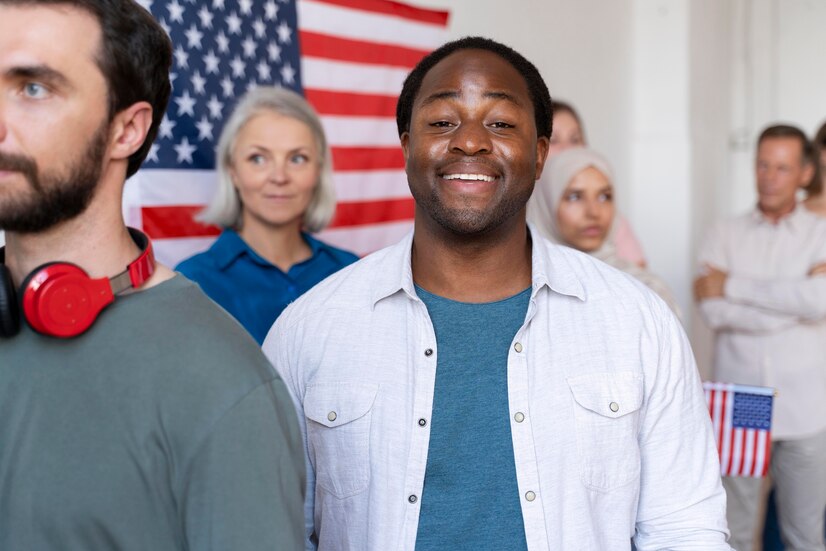
Immigration is another issue that has sharply divided Americans, with both sides holding deeply entrenched views. The debate over immigration policy has become increasingly heated in recent years, particularly in the context of the Trump administration’s efforts to restrict immigration and build a wall along the US-Mexico border.
Supporters of more restrictive immigration policies argue that they are necessary to protect American jobs, national security, and the rule of law. They contend that illegal immigration is a significant problem that needs to be addressed through stronger border enforcement and stricter penalties for those who enter the country unlawfully.
Opponents of these policies, on the other hand, argue that the US should be more welcoming to immigrants, particularly those fleeing violence and persecution in their home countries. They advocate for comprehensive immigration reform that includes a pathway to citizenship for undocumented immigrants already living in the US and measures to address the root causes of migration from Central America.
The Biden administration has taken a more compassionate approach to immigration, reversing many of the Trump administration’s policies and prioritizing the reunification of families separated at the border. However, the issue remains deeply divisive, and finding a consensus on immigration policy will likely remain a challenge for the foreseeable future.
Gun Control
Gun control is another issue that has long been a source of contention in American politics. The US has one of the highest rates of gun ownership in the world, and the Second Amendment, which guarantees the right to bear arms, is deeply ingrained in the nation’s cultural and political identity.
In recent years, the debate over gun control has been reignited by a series of high-profile mass shootings, which have brought the issue to the forefront of the national conversation. Advocates for stricter gun control laws argue that measures such as universal background checks, bans on assault weapons, and red flag laws are necessary to prevent gun violence and protect public safety.
Opponents of gun control, however, argue that such measures infringe on their constitutional rights and would do little to prevent crime. They contend that the focus should instead be on addressing the underlying causes of violence, such as mental health issues and social inequality.
The political battle over gun control is likely to continue in the coming years, with both sides remaining deeply committed to their positions. The outcome of this debate will have significant implications for the future of public safety in the US.

International Politics: US Foreign Policy in a Changing World
While domestic issues dominate much of the political discourse in the US, international politics also play a crucial role in shaping the nation’s future. US foreign policy has undergone significant changes in recent years, with shifting alliances, new challenges, and a growing recognition of the need to address global issues such as climate change and cybersecurity.
The US-China Relationship
One of the most significant developments in recent years has been the evolving relationship between the US and China. As China’s economic and military power has grown, it has increasingly challenged the US’s position as the world’s dominant superpower. This has led to a complex and often contentious relationship between the two nations, marked by trade disputes, technological competition, and geopolitical tensions in the Asia-Pacific region.
The US has sought to counter China’s rise through a combination of economic measures, such as tariffs and sanctions, and strategic alliances with other nations in the region. However, managing this relationship has proven to be a delicate balancing act, with both cooperation and confrontation characterizing the US-China dynamic.
Looking ahead, the future of US-China relations will likely be one of the most important factors shaping global politics in the coming decades. The US will need to navigate this relationship carefully, balancing the need to protect its interests with the desire to avoid a new Cold War.
US Relations with Europe
The US’s relationship with Europe has also undergone significant changes in recent years, particularly in the wake of Brexit and the rise of populist movements across the continent. The Trump administration’s “America First” policy led to tensions with traditional European allies, particularly over issues such as NATO funding, trade, and climate change.
The Biden administration has sought to repair these relationships, emphasizing the importance of multilateralism and working closely with European nations on issues such as climate change, global health, and cybersecurity. However, challenges remain, particularly in areas such as trade and defense spending, where differences between the US and Europe persist.
As Europe grapples with its own internal challenges, including economic inequality, migration, and the rise of right-wing populism, the US will need to navigate its relationship with the continent carefully. Strengthening transatlantic ties will be crucial to addressing global challenges and maintaining the stability of the international order.
Middle East Policy
The Middle East has long been a focal point of US foreign policy, and recent developments in the region have continued to pose challenges for American policymakers. The US’s withdrawal from Afghanistan, the ongoing conflict in Syria, and the complex dynamics of the Israeli-Palestinian conflict are just a few of the issues that have dominated the US’s approach to the region.
The Biden administration has sought to recalibrate US policy in the Middle East, focusing on diplomacy and multilateral engagement rather than military intervention. This approach has included efforts to revive the Iran nuclear deal, re-engage with regional allies, and address the humanitarian crisis in Yemen.
However, the region remains highly volatile, and the US will need to remain vigilant in its efforts to promote stability and protect its interests. The challenge will be to find a balance between addressing immediate security concerns and promoting long-term peace and development in the region.
Climate Change and Global Leadership
One of the most pressing global issues facing the US and the world today is climate change. The Biden administration has made climate change a central focus of its domestic and foreign policy, rejoining the Paris Agreement and committing to ambitious targets for reducing greenhouse gas emissions.
On the international stage, the US has sought to lead by example, encouraging other nations to adopt similar commitments and working to build a global consensus on the need for urgent action. This has included efforts to promote clean energy, protect biodiversity, and support developing nations in their efforts to address the impacts of climate change.
However, the challenge of climate change is a global one, and the US will need to work closely with other nations to achieve meaningful progress. This will require not only diplomatic engagement but also significant investments in technology and innovation to drive the transition to a low-carbon economy.
Social Issues: The Struggle for Equality and Justice
In addition to the political and policy challenges facing the US, the nation is also grappling with a range of social issues that have profound implications for its future. These issues, which include racial inequality, gender discrimination, and LGBTQ+ rights, are central to the ongoing struggle for equality and justice in American society.
Racial Inequality
Racial inequality remains one of the most persistent and deeply pervasive issue in the US. The ongoing struggle for racial justice involves addressing systemic racism, economic disparities, and social inequities. Recent movements and policy discussions focus on reforms in policing, education, and economic opportunities to address these deep-rooted problems.
Gender and LGBTQ+ Rights
Gender equality and LGBTQ+ rights are also central to current social debates. Efforts to advance gender equity include addressing pay disparities and combating gender-based violence. For LGBTQ+ individuals, the focus is on securing equal rights and protections, including in areas like marriage, employment, and healthcare. The progress in these areas is a reflection of broader societal changes and ongoing advocacy for equal treatment and inclusion.
Conclusion
The current state of US politics is characterized by significant domestic and international challenges. From the deepening polarization within the country to the complex dynamics of global diplomacy, these issues are shaping the nation’s trajectory. As the US navigates these political currents, the outcomes will have far-reaching implications for its domestic policies and its role on the world stage.
