Why Every Kitchen Needs a Trivet: The Secret to Protecting Your Table in Style
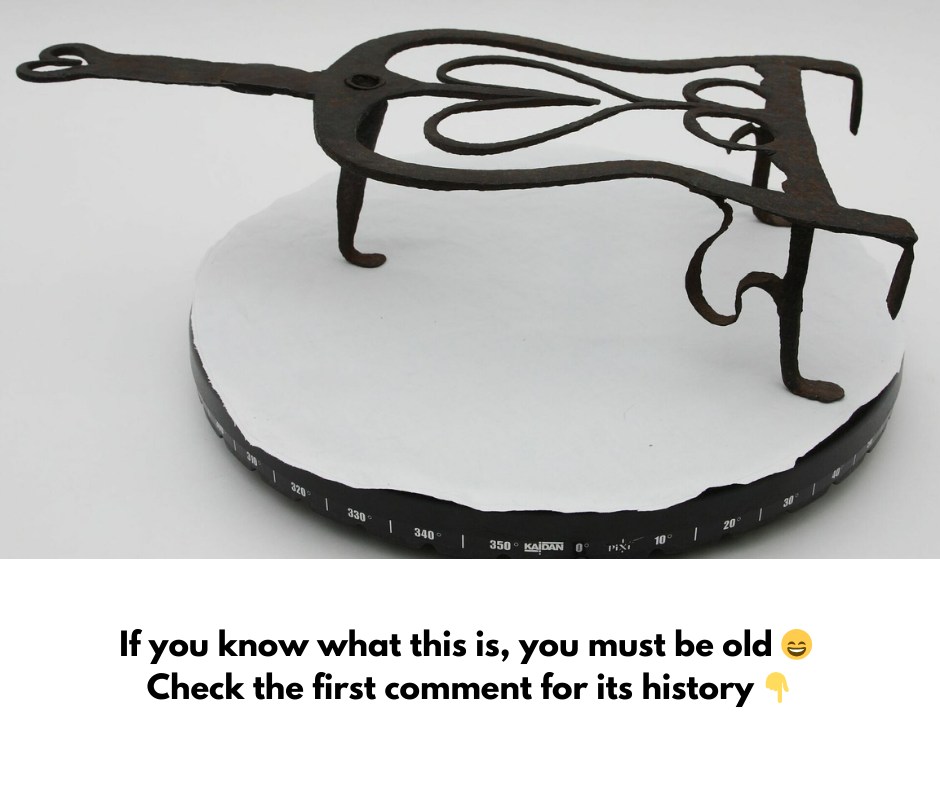
In the world of kitchen essentials, a trivet might seem like a small, insignificant item. However, this unassuming tool plays a crucial role in protecting your dining table from heat damage while ensuring your meals are served safely and stylishly. Let’s dive into the fascinating history, various uses, and modern adaptations of the trivet.
A trivet is an object placed between a hot serving dish or bowl and a dining table, designed to prevent heat damage to the table’s surface. Traditionally, trivets feature three or four legs, or “feet,” elevating the dish above the table. The term “trivet” comes from the Latin word tripes, meaning “tripod,” which reflects the three-legged design common in earlier versions.
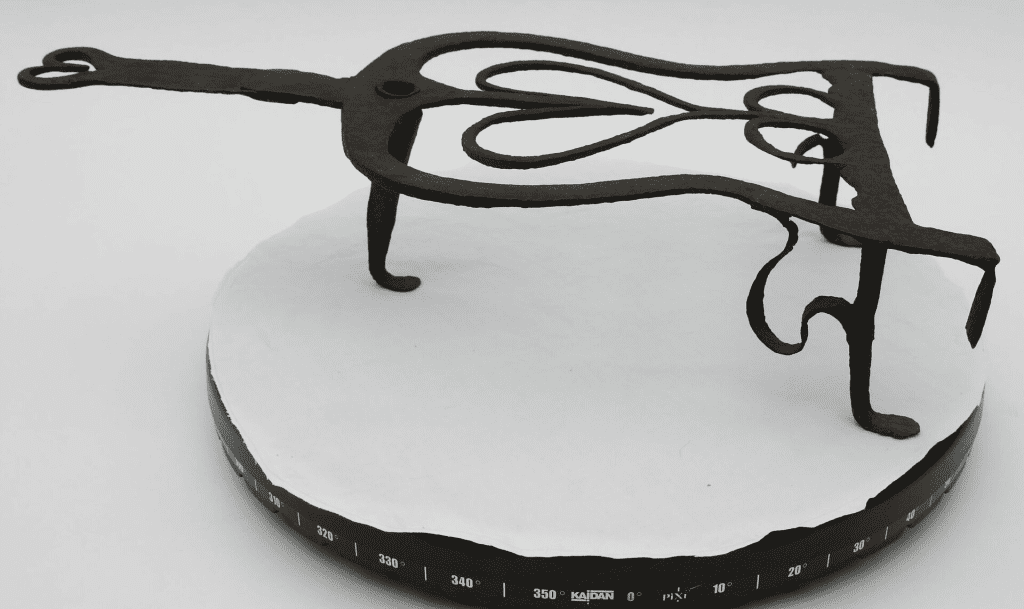
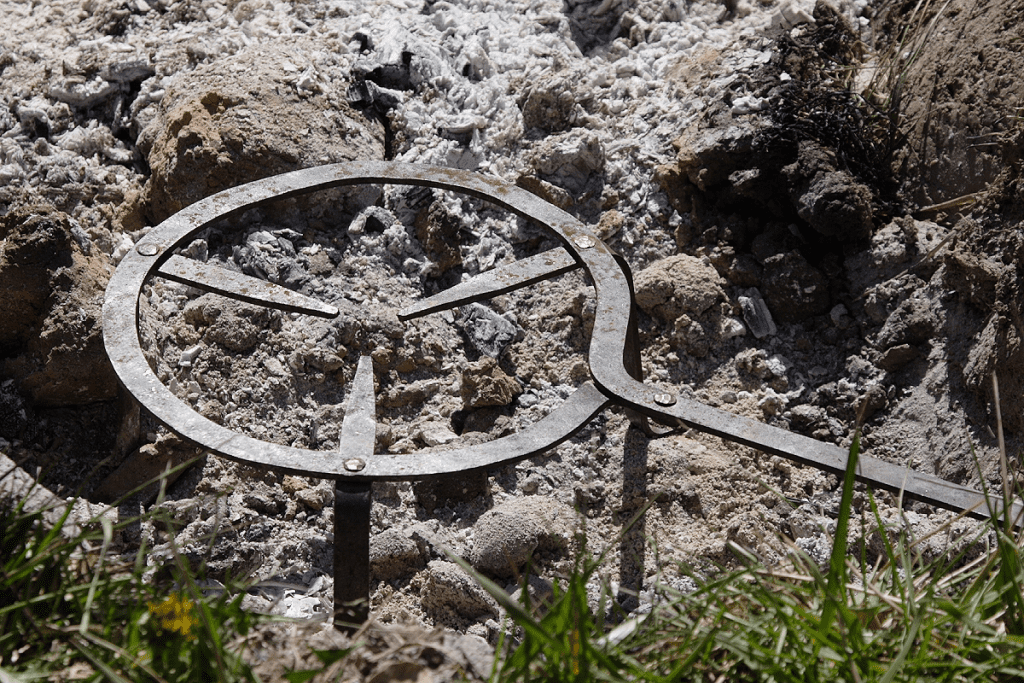
Trivets boast a rich history that dates back to antiquity. In ancient China, metal trivets were discovered in the tomb of Zhao Mo, a ruler from the 2nd century BCE. These early trivets, often referred to as “fire stands,” were used to elevate pots above the coals of an open fire, ensuring even cooking and preventing pots from tipping over.
- Medieval Europe: During the Middle Ages, trivets transformed into intricate designs made from wrought iron and brass, showcasing craftsmanship while serving a practical purpose in kitchens.
- Colonial America: In early American households, trivets were essential for serving hot dishes, often made from wood or ceramic, blending functionality with home aesthetics.
Today, trivets are not just functional; they also add a touch of style to your dining experience. Here are some of the various uses of trivets in contemporary kitchens:
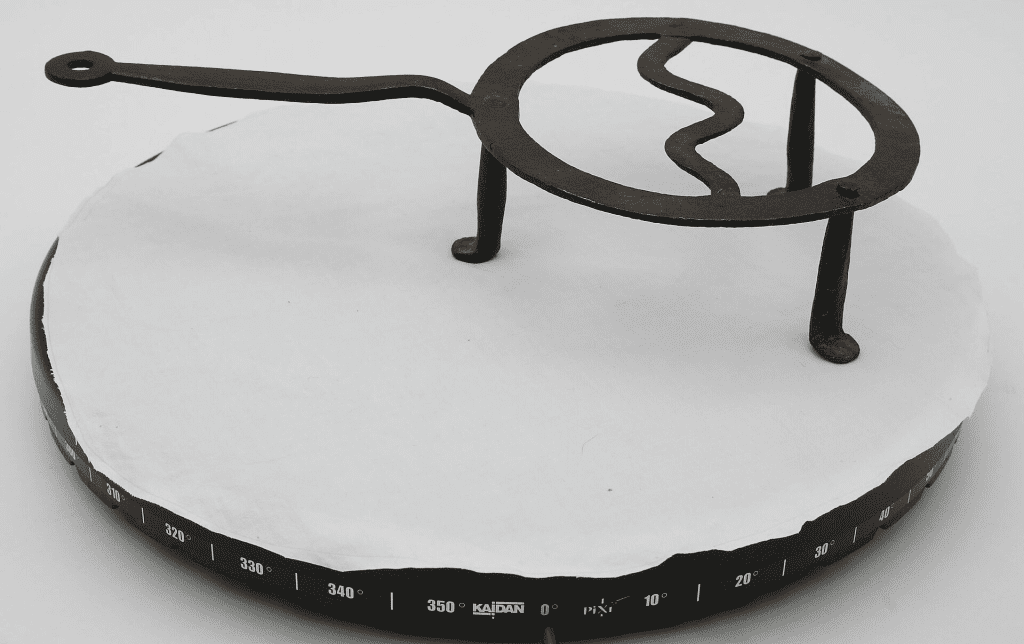
The primary function of a trivet remains unchanged: protecting your dining table from heat damage. Whether it’s a sizzling casserole or a freshly baked pie, trivets safeguard your surfaces from scorching.
Trivets come in a variety of materials and designs, allowing you to choose one that complements your table setting. From rustic wooden trivets to sleek metal designs, these accessories can enhance your dining theme.
Beyond serving dishes, trivets can be used as cooling racks for baked goods or a base for hot pots and pans on countertops. Their versatility makes them indispensable in any kitchen.
When selecting a trivet, consider the following factors to ensure you choose the right one for your needs:
Trivets come in various materials, including:
- Wood: Offers a classic look and is gentle on surfaces but may not withstand high heat.
- Metal: Stainless steel or cast iron trivets are durable and can handle high temperatures.
- Silicone: Flexible and heat-resistant, silicone trivets provide excellent insulation and are easy to clean.
Choose a trivet that complements your kitchen decor. A visually appealing trivet can serve as a centerpiece on your dining table, adding to the overall ambiance of your meal.
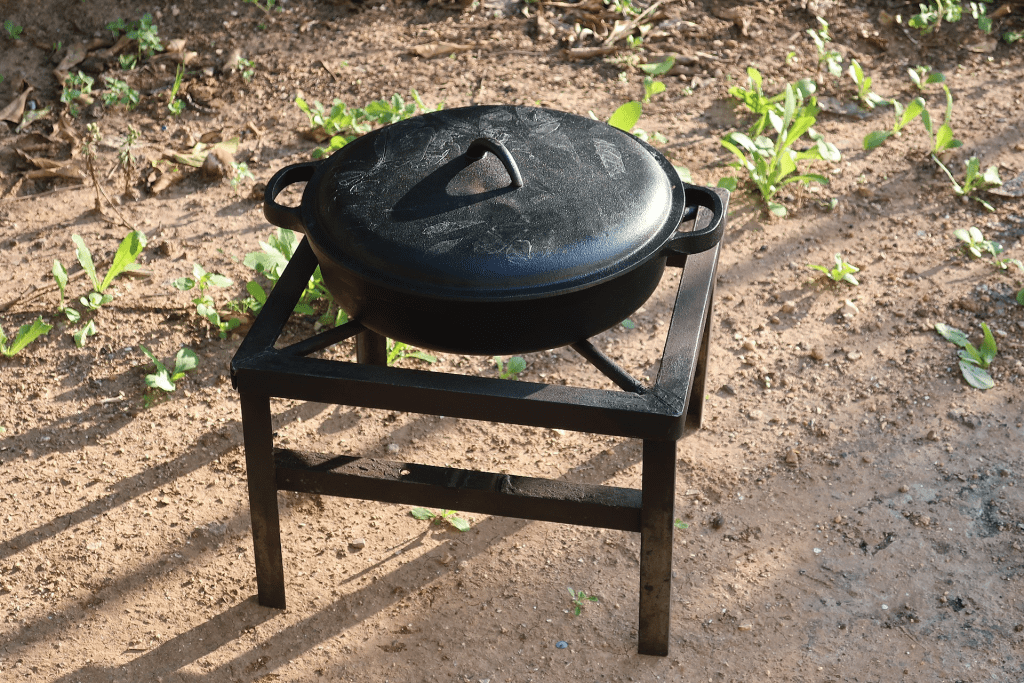
As kitchens evolve, so do trivets. Here are some modern adaptations that reflect current design trends:
Some modern trivets are designed to serve multiple purposes. For example, a trivet may double as a pot holder or a decorative centerpiece when not in use.
Today’s trivets often feature artistic designs, from geometric patterns to nature-inspired motifs. These designs elevate the trivet from a mere kitchen tool to a piece of art in your home.
With a growing emphasis on sustainability, many manufacturers offer eco-friendly trivets made from recycled materials or sustainably sourced wood, appealing to environmentally conscious consumers.
To ensure your trivet lasts for years, proper care is essential. Here are some tips:
- Wood Trivets: Clean with a damp cloth and avoid soaking. Occasionally apply mineral oil to maintain the finish.
- Metal Trivets: Clean with soap and water, and dry immediately to prevent rust.
- Silicone Trivets: Safe for the dishwasher; simply toss them in for easy cleaning.
In summary, a trivet is far more than just a kitchen accessory—it’s an essential tool that protects your surfaces, enhances your dining experience, and showcases your style. With a rich history and a variety of modern adaptations, trivets continue to play a pivotal role in kitchens around the world. So, the next time you set the table, don’t overlook this small but mighty item. Embrace the trivet as a blend of functionality and artistry, ensuring your meals are served safely and stylishly.
