Should red spots on various part of your body worry you and what to do if you have them

Why Red Dots Appear on Your Skin and How to Treat Them: A Guide
Red spots on the skin can appear for a variety of reasons, and while some of these spots may disappear on their own, others might require specific treatments to address the underlying cause. Understanding what leads to these red dots is key to knowing when to seek professional medical advice or when simple home remedies may suffice.
Common Causes of Red Spots
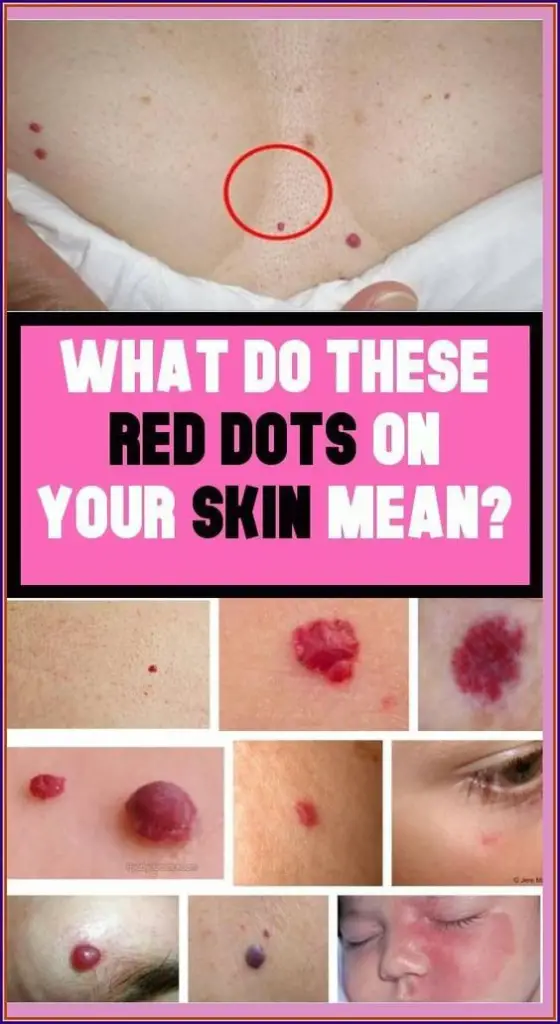
There are numerous potential reasons for red spots or dots appearing on the skin. Among the most common causes are allergic reactions, which can result from contact with certain substances or foods that trigger an immune response. Another frequent cause is residual marks left behind from acne, which may linger even after the acne itself has cleared up. Vascular birthmarks, which are present from birth, are also a common source of red spots, though they are generally harmless.

In addition to these, skin spots caused by angiomas—a benign overgrowth of blood vessels—can lead to small, red lesions. Overproduction of certain proteins in the body may also cause red spots to form. Heat rash, which often occurs in hot and humid weather, can manifest as clusters of red bumps. Insect bites are another common culprit, as the body’s reaction to the bite can cause localized redness. Leaking capillaries, a condition where small blood vessels release blood into the skin, can also lead to red spots. Finally, autoimmune conditions, where the immune system mistakenly attacks the body’s own tissues, may cause red patches to form on the skin.
Home Remedies for Red Dots
While some red spots may need medical attention, there are home remedies you can try to prevent the spread of these spots or help them fade over time. These remedies rely on commonly used herbs and natural ingredients that have been known to soothe skin irritation and promote healing.
One effective home remedy is the use of aloe vera. Aloe vera has long been celebrated for its soothing and healing properties. To use it, apply fresh aloe vera gel directly onto the affected skin twice a day. Leave the gel on for about 15 to 20 minutes before rinsing it off. Aloe vera’s anti-inflammatory and moisturizing properties can help reduce redness and promote skin healing.

Another simple home remedy is coconut oil. Coconut oil is highly moisturizing and has natural anti-inflammatory properties. After cleaning your skin, gently massage a small amount of coconut oil onto the affected area. For best results, leave the oil on overnight and repeat this process until you start to see improvement.
A less common but effective remedy involves the use of dandelion root. Dandelion is believed to help detoxify the body and promote healthy skin. To use it, boil dandelion root powder in water to make a tea. Strain the mixture and sip it regularly. This can help flush out toxins and may assist in reducing skin inflammation and redness.
When to See a Doctor
While these home remedies may help with minor cases of red spots, it is crucial to seek medical attention if the spots change in size, shape, or color. Persistent or worsening red patches could indicate a more serious underlying condition that requires professional treatment.
In addition to following home remedies, maintaining a healthy lifestyle is essential for overall skin health. This includes eating a balanced diet rich in fruits, vegetables, healthy fats, and drinking plenty of water and fresh juices. By nourishing your body from the inside out, you may help reduce the occurrence of skin issues, including red spots.
Final Thoughts
Red dots on the skin can be a nuisance, but with the right approach, many can be managed or treated at home. However, always remember to consult a healthcare professional if you’re unsure about the cause or if the spots persist.
Please SHARE this helpful information with your family and friends on Facebook to spread awareness!
