A Simple Lesson in Seeing the World,
A child’s innocence brings hope for the future. About 15 years ago, I decided to surprise my son at his elementary school during lunch. After checking in with his teacher, I found him on the playground, playing in a group of kids. When he saw me, he ran over excitedly, holding a small toy I didn’t recognize. Curious, I asked him if it was his, and he explained that he was borrowing it from one of his friends, motioning toward the group he’d been playing with. He pointed
About 15 years ago, I decided to surprise my son at his elementary school during lunch. After checking in with his teacher, I found him on the playground, playing in a group of kids. When he saw me, he ran over excitedly, holding a small toy I didn’t recognize. Curious, I asked him if it was his, and he explained that he was borrowing it from one of his friends, motioning toward the group he’d been playing with.
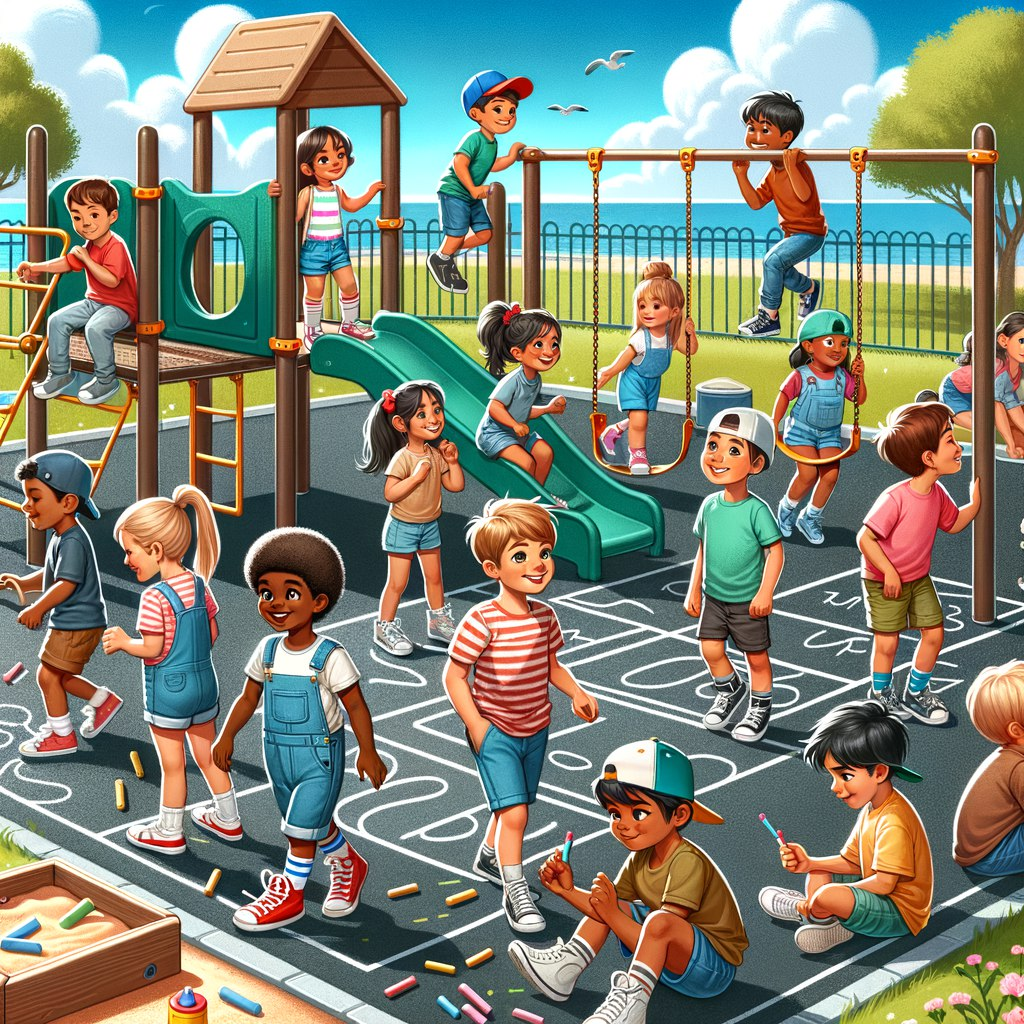
He pointed and said, “That boy,” but there were at least a dozen kids in the area. He continued, “The one in the blue shirt,” narrowing it down only slightly. Still unsure, I asked him to point again. “The one with the red sneakers,” he clarified, but I still couldn’t figure it out. Finally, he said, “The one with the ball now!” That’s when I realized he was talking about the only Black child in the group. For a moment, I almost blurted out, “You mean the Black kid?” but stopped myself. It struck me that my son didn’t see this friend through the lens of race at all—he noticed shirts and sneakers, toys and games, but not skin color.

That moment stayed with me, making me wonder how he could see everything except the most obvious physical difference. It wasn’t that he ignored race, but that it simply didn’t seem to matter to him. I didn’t feel the need to point it out, either. That day left me feeling a little more hopeful about the future—maybe we don’t have to teach our children to see differences, but instead, to embrace them when they do.
