On August 14, 2005, Helios Airways Flight 522, a Boeing 737-300, crashed in Greece, killing all 121 on board. The “ghost plane” tragedy unfolded after the crew mistook a cabin altitude warning for a takeoff configuration alert, ignoring the warning. As the plane ascended, the cabin lost pressure, causing hypoxia. Despite notifying the airline about an air conditioning issue, the crew became incapacitated.
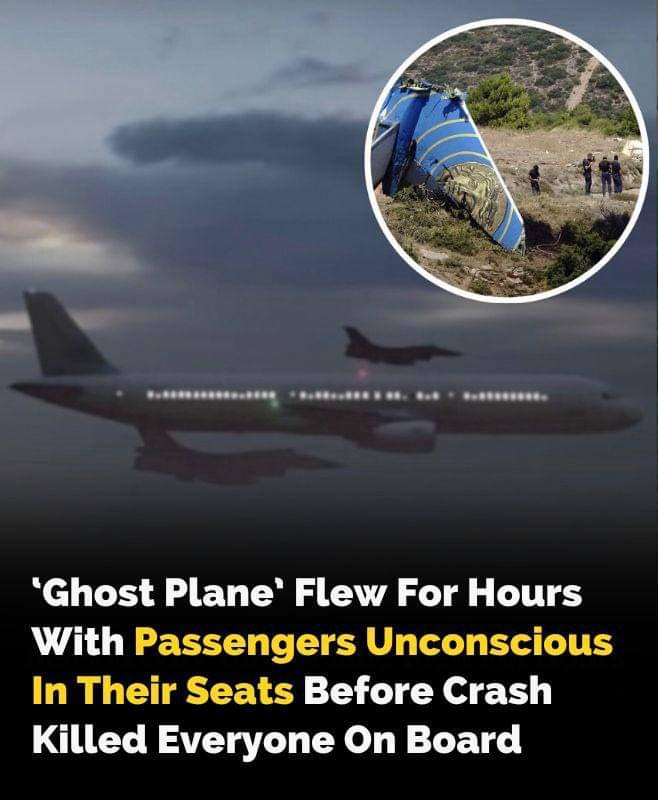
At 34,000 feet, the aircraft leveled off on autopilot, with the crew unconscious. Fighter jets discovered the first officer slumped over controls and the captain’s seat empty. Flight attendant Andreas Prodromou, with a commercial pilot license, attempted to save the plane but lacked training on the Boeing 737.Investigations revealed systemic flaws at Helios Airways, including:- Persistent air conditioning issues- Seven inspections in the weeks leading up to the tragedy- Failure to switch pressurization settings back to automatic after a test- Pre-flight inspection oversightsThe plane took off depressurized, creating conditions for catastrophe. Autopsies showed many passengers were alive at impact. The crash highlighted critical safety failures at Helios Airways.

Scroll click the next content
