The Iconic Stovepipe: Lincoln’s Top Hat, Abraham Lincoln’s top hat, a symbol of his presidency, journeyed from a humble purchase to a cherished artifact, embodying resilience and the weight of history.
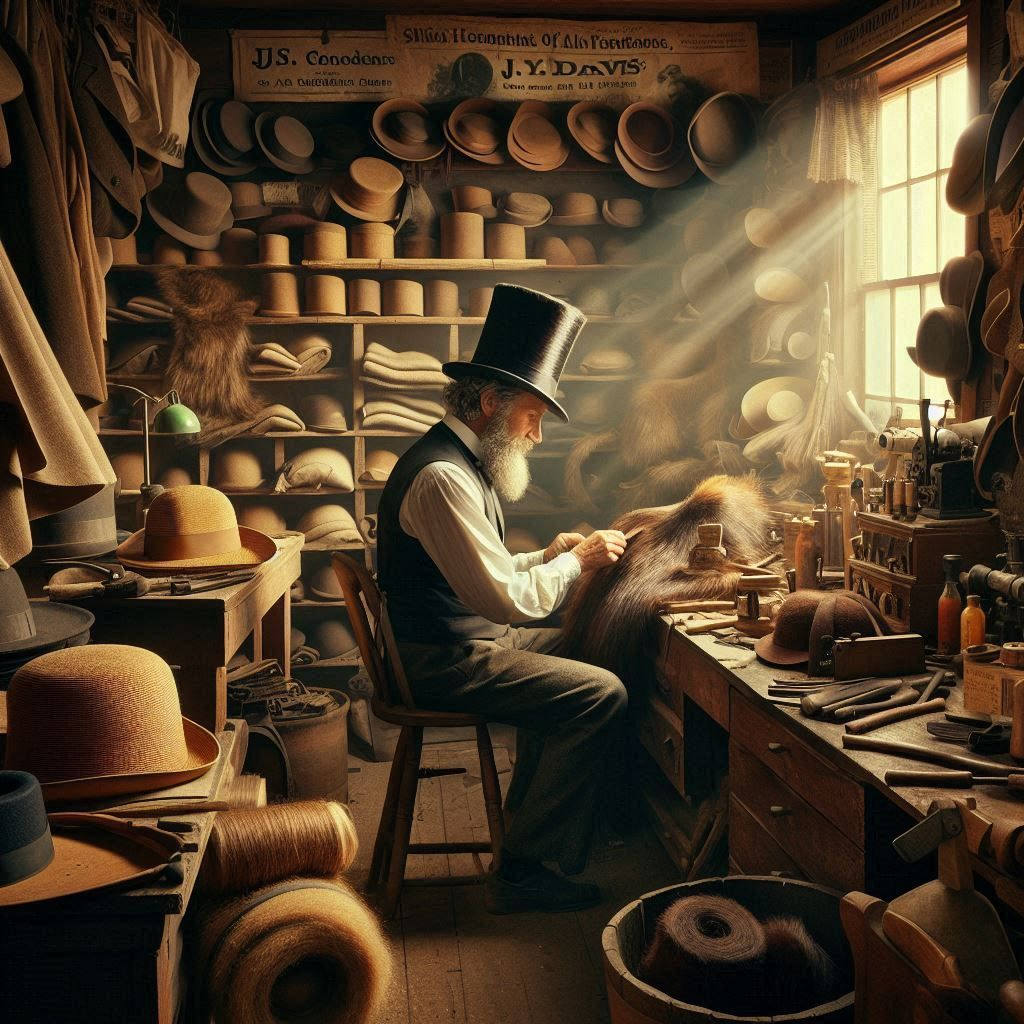
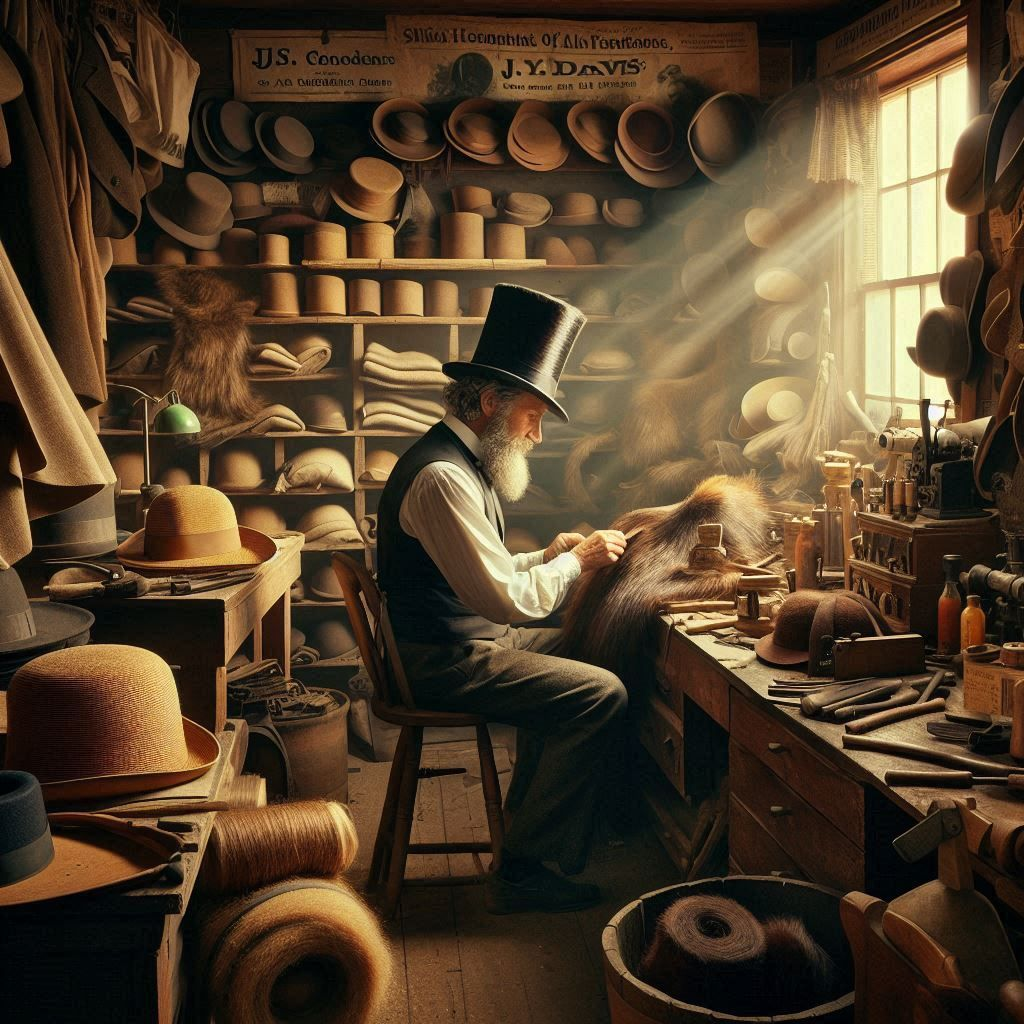
Abraham Lincoln’s top hat, a symbol of his presidency, has a history as rich and layered as the man himself. Crafted from beaver fur, this iconic “stovepipe” hat was purchased from the Washington hat maker J.Y. Davis, who stitched his label into the crown. Standing at 6’4″, Lincoln already towered over most men, but the hat added an additional eight inches, making him an unforgettable figure in political circles.Lincoln began wearing the hat during his rise in the 1850s, likely as a political gimmick to enhance his visibility among voters. It became an extension of his persona—battered and worn, it reflected his humble beginnings and connection to the common man. The hat was not merely an accessory; it served practical purposes as well. Lincoln famously used it to store important documents, pulling out papers during speeches to emphasize his points.The hat took on deeper significance after the tragic death of Lincoln’s son, Willie, in 1862. In mourning, Lincoln added a black silk band around the hat, a poignant reminder of his loss that accompanied him through the trials of the Civil War. The stovepipe became synonymous with his leadership during this tumultuous time, appearing in countless political cartoons and illustrations.

Today, Lincoln’s top hat resides in the Smithsonian Institution, a cherished artifact representing not just a man but an era. Its journey reflects the complexities of leadership and loss, standing as a testament to one of America’s most revered presidents. The top hat is more than just a piece of clothing; it is a symbol of resilience and memory woven into the fabric of American history.
