The First Journey Down the Mississippi, In May 1673, Father Jacques Marquette and Louis Joliet set out on an historic expedition down the uncharted waters of the Mississippi River, paving the way for future exploration and revealing the rich cultures and landscapes of North America.
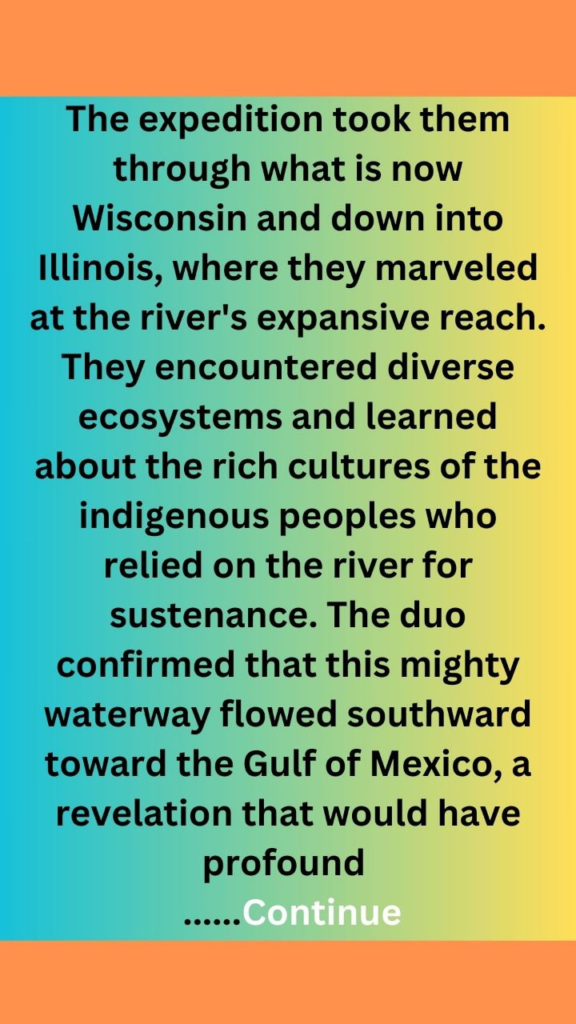
On May 17, 1673, Father Jacques Marquette and fur trader Louis Joliet embarked on a groundbreaking expedition that would change the course of North American history. Setting out from St. Ignace, Michigan, their mission was to explore the vast and uncharted waters of the Mississippi River. With two canoes and five skilled voyageurs, they paddled into the unknown, driven by curiosity and a desire to connect with the indigenous peoples who inhabited the region.As they navigated through the dense wilderness, Marquette meticulously documented their journey. The river, which had been a vital artery for Native American tribes for centuries, revealed its majestic beauty to the explorers. Towering bluffs lined the banks, and lush forests teemed with wildlife. Each day brought new discoveries—friendly encounters with native tribes who welcomed them with open arms and shared their knowledge of the land.
The expedition took them through what is now Wisconsin and down into Illinois, where they marveled at the river’s expansive reach. They encountered diverse ecosystems and learned about the rich cultures of the indigenous peoples who relied on the river for sustenance. The duo confirmed that this mighty waterway flowed southward toward the Gulf of Mexico, a revelation that would have profound implications for trade and exploration.After weeks of arduous travel, they reached the mouth of the Arkansas River before turning back. Their journey had not only charted new territory but also laid the groundwork for future French settlements in the region. Upon their return in September 1673, Marquette’s detailed journals and maps provided invaluable insights into the Mississippi River’s potential as a trade route.
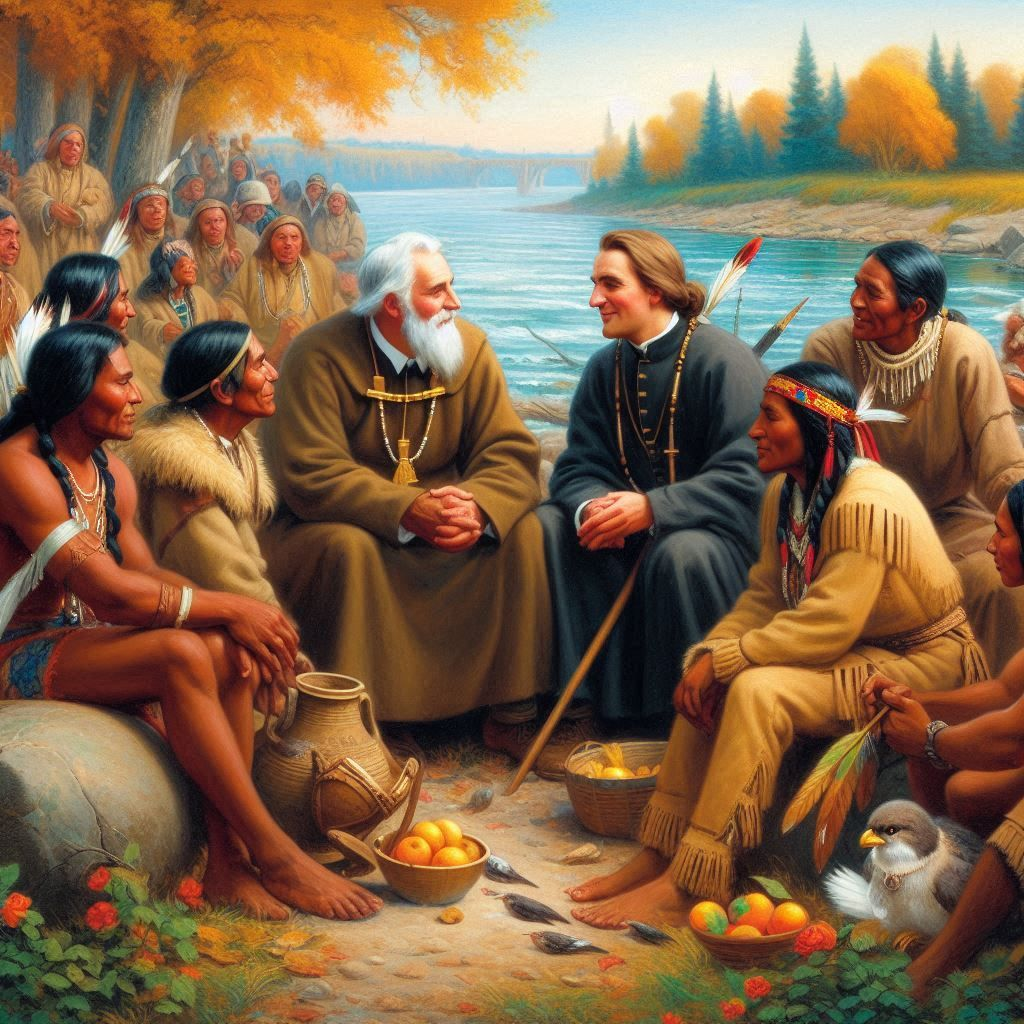
The voyage of Marquette and Joliet marked a pivotal moment in history, opening up vast lands for exploration and exploitation. Their expedition showcased the river’s significance as a lifeline for commerce and communication in North America, forever altering the landscape of exploration in the New World. The echoes of their journey would resonate through time, shaping the future of a burgeoning nation.
