What Those Triangular Stickers on Your Airplane Seat Mean
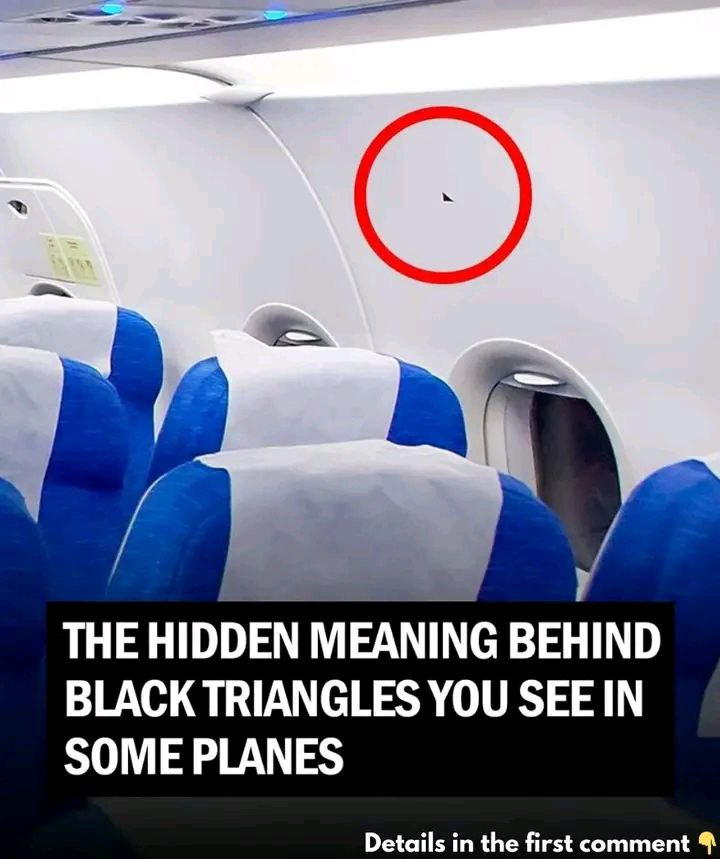
If you’ve ever flown on an airplane, you might have noticed small black or red triangular stickers above certain windows. If you’re like most passengers, you probably didn’t give them a second thought. Surprisingly, these simple markers play a significant role in flight safety and efficiency. From guiding inspections to aiding weight distribution, these small triangles have an important purpose. Let’s explore what makes these tiny markers so vital for air travel
These triangular stickers aren’t just there for decoration; they serve as critical guides for the flight crew. Strategically placed above specific windows, they align precisely with the airplane’s wings. This allows pilots and flight attendants to easily locate key components of the wings for inspection. Whether it’s during routine checks or in-flight evaluations, these markers are indispensable.
- Guiding the Crew: Pilots or flight attendants often need to inspect the wings during a flight, especially in cases of turbulence or other irregularities. The triangles help them quickly identify the windows that offer the best view of the wing’s moving parts, like flaps and slats. This is crucial for checking issues such as ice buildup.
- Enhancing Safety: These markers provide clear visual cues, allowing the crew to inspect the wings efficiently without causing disruption to passengers. Think of them as the crew’s compass, guiding their observations and improving response time during inspections.
These small triangles serve as reference points that enhance safety by making inspections faster and more accurate. They are like signposts, offering direction and clarity, even during the most turbulent flights.
Why You Should Consider Sitting Near the Triangular Stickers
Your choice of seat on a plane can impact your comfort during the flight. The triangular markers align with the plane’s center of gravity, which can make a difference in how you experience turbulence.
