Why Students 50 Years Ago Couldn’t Live Without This Mysterious Space

Imagine a world where contacting friends or family wasn’t just a swipe and tap away. Long before the days of smartphones, college students in the 1960s, ‘70s, and ‘80s relied on a simple yet powerful tool—the phone booth. Far more than just a means of communication, these booths provided a rare escape from the chaotic environment of dorm life. They became sanctuaries of privacy and connection.
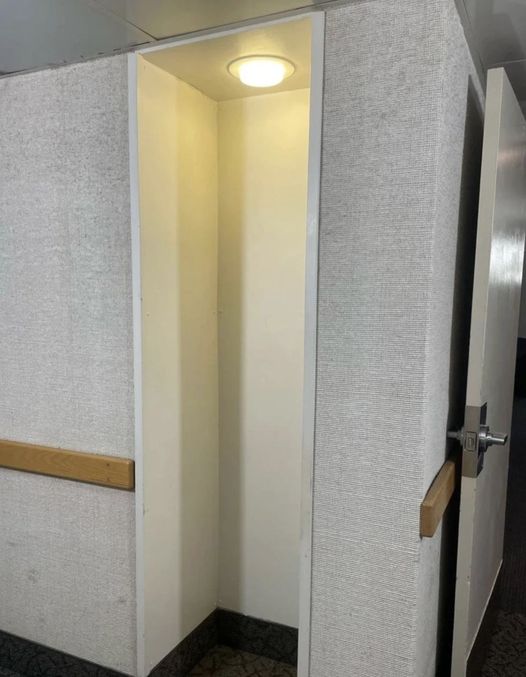
Hidden Corners of College Campuses: Vital Social Hubs
Take a stroll around older college campuses today, and you might stumble upon small, peculiar nooks—sometimes with a light bulb hanging overhead or an empty shelf where a phone once sat. These aren’t just remnants of the past but were once critical hubs where students eagerly awaited their turn to make a call home. In an era before cell phones, these phone booths were the sole connection between students and the outside world.
The Rise of Phone Booths: Lifelines for Students
During a time of great transformation in telecommunications, phone booths became essential, especially in crowded college dormitories. Many students hailed from distant corners of the country, and these booths were their only means to stay connected with family. The phone booths nestled in dormitories became crucial, offering a bridge to the people they missed the most.
Dorm life was often loud and distracting, with roommates chatting, music blasting, and a constant flow of people. However, the phone booth offered a brief reprieve. Although small and humble in design, these booths were just enough to give a student a private space—a refuge where they could lean against the wall and make their call in peace. It wasn’t about the space but about the momentary escape from the whirlwind of college life.
Simple Setup, Significant Impact
The design of these booths was straightforward—just a tiny area with a phone and a light overhead. Many didn’t even have full doors, yet that was all students needed to feel a sense of seclusion from the surrounding noise. The light overhead wasn’t merely practical but added to the sense of serenity. For a few precious minutes, these booths provided students with a chance to breathe, to talk, and to connect with loved ones miles away.
As the 1990s dawned and the early 2000s followed, the rise of cell phones transformed everything. No longer did students have to rely on public payphones. Suddenly, staying connected was a solitary, instantaneous experience. The once-essential phone booths gradually faded into history, as personal mobile devices took their place.
More Than Just a Phone Booth
For those who remember, the phone booth was more than a device for making calls—it was a symbol of a different time. Communication required more effort and intention. It wasn’t as simple as sending a quick text; students had to collect spare coins, wait in line, and savor the moment of finally hearing a familiar voice on the other end. It fostered a deeper sense of connection that modern communication often lacks.
Though largely gone, some relics of these booths still linger on college campuses, standing as reminders of a time when a simple phone call felt extraordinary. The clink of coins, the quiet hum of nearby conversations, and the joy of hearing a loved one’s voice after weeks of separation made each call unforgettable.
Nostalgia for a Simpler Time
Today, we enjoy instant, effortless communication, but there’s something charming about the memory of phone booths. Walking past one of these forgotten corners of campus, you can almost feel the cool metal of the payphone, the tactile spin of the dial, and the anticipation of the distant ringing. Yes, it was slower—but it was also more personal.
For many students back then, these phone booths were lifelines, offering a moment of escape from the pressures of academic life. Whether the booths had doors or not, they provided a sense of privacy in a world that was otherwise overwhelming.
A Piece of History Worth Remembering
Nowadays, it’s easy to dismiss these phone booths as outdated relics. But in reality, they symbolize how far communication has come. Back then, making a phone call was an event that required time and patience. The next time you walk by one of these quirky little spaces on campus, pause and think of the students who once stood there, anxiously awaiting the chance to dial home.
These booths remind us of a slower, more thoughtful time—a time when even a brief phone call felt like a precious luxury. Even in today’s fast-paced world, these small, forgotten corners still hold a special place in the hearts of those who remember them.
