They are all the same ice, right, The difference between clear and cloudy ice cubes lies in the water used and the freezing process.
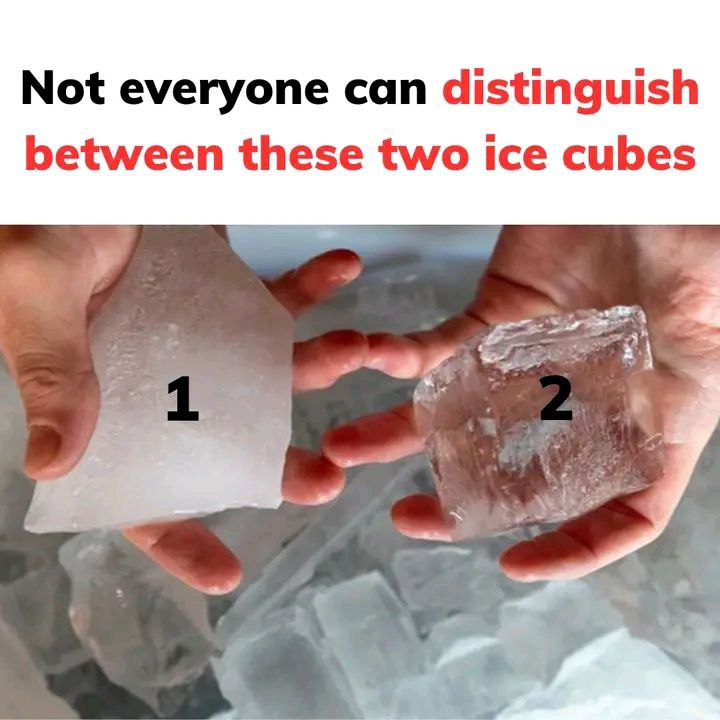
Cloudy ice typically results from impurities found in regular tap water, such as calcium and magnesium, which are pushed to the center as the ice freezes from the outside in. This concentration of impurities causes the ice to appear milky. In contrast, clear ice is often made from boiled or bottled water, which has fewer dissolved gases and impurities. Boiling the water helps remove these elements, enhancing clarity. A method called “directional freezing,” used by bartenders, can also produce perfectly clear ice by allowing gases and impurities to escape during the freezing process. While clear ice is visually appealing and melts more slowly—reducing dilution in drinks—achieving it at home can be as simple as boiling water twice before freezing, though some cloudiness may still occur. Overall, the clarity of ice can indicate its quality and the water used.
