Smaller houses and apartments don’t stop many Japanese couples from sleeping in different beds or even rooms. This is not some kind of an intimate issue or problem with the relationship, but something that they believe is good for them and I totally agree.
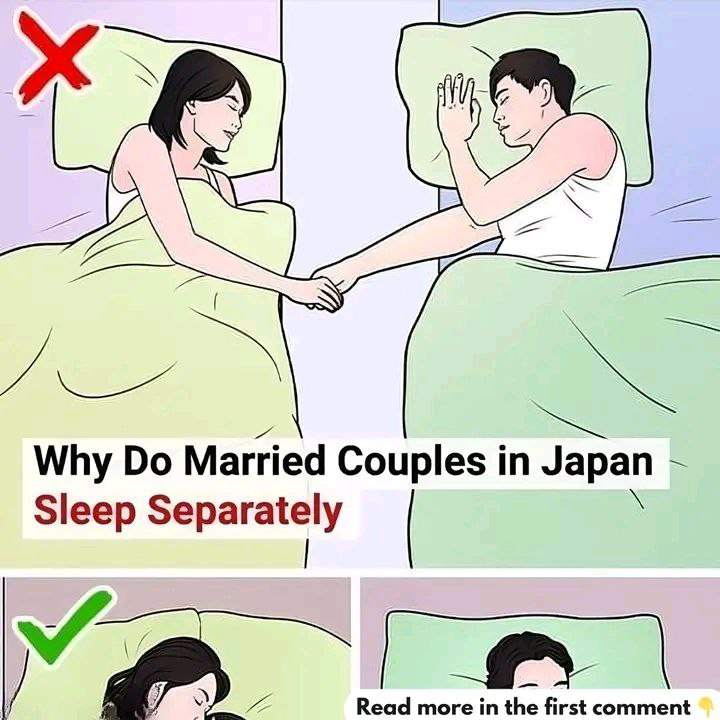
In Japan, many married couples are opting for separate sleeping arrangements, a trend that’s gaining traction globally. This choice primarily addresses sleep-related issues, such as snoring or differing sleep schedules, allowing each partner to achieve restful sleep without disturbances. Improved sleep quality often enhances mood and overall health, ultimately strengthening the couple’s bond during waking hours.
Sleeping apart does not diminish affection; instead, couples often find alternative ways to express love, such as through small gestures and quality time. This arrangement can also reduce conflicts that arise from sleep disruptions, fostering a more peaceful relationship.
Additionally, separate sleeping allows for personal space, privacy, and the maintenance of individual routines, which can be especially beneficial as couples age or deal with health issues. Temperature preferences and differing sleep schedules further support the practicality of this choice.
Ultimately, while unconventional, separate beds can enhance emotional well-being, respect personal boundaries, and sustain intimacy through better communication and understanding of each partner’s needs. For those who choose it, the benefits can be significant.
