Peculiar little “room” at the top of my centuries-old barn I found a Weird little “room” in the peak of my old barn and No way to access it.But when i looked closer
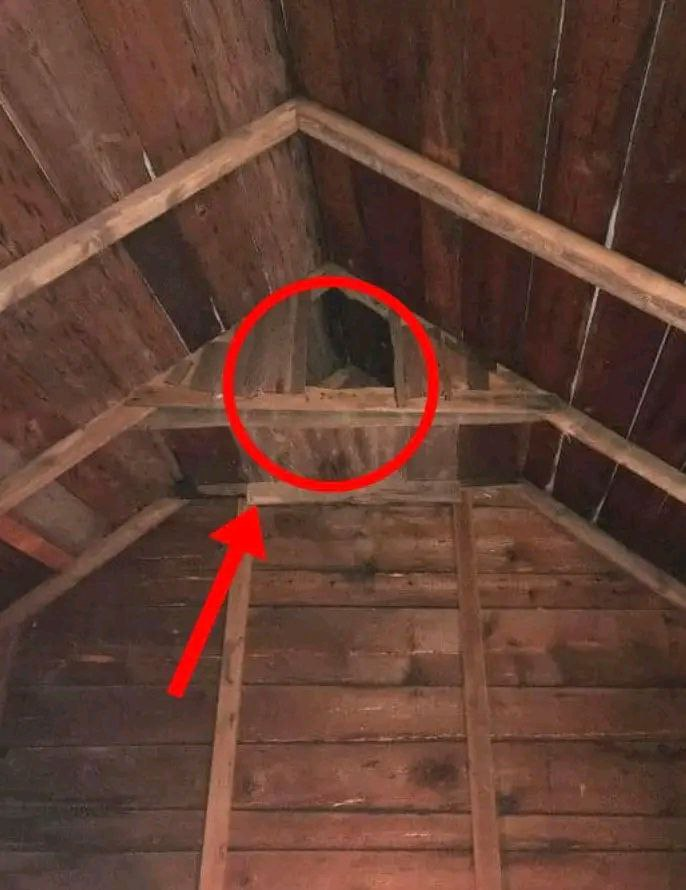
The relationship between farmers and barn owls has deep roots in agricultural history, reflecting a symbiotic connection that benefits both parties. For generations, farmers have recognized the invaluable role barn owls play in pest control, particularly in managing rodent populations that threaten crops and stored grains. This understanding led to the proactive measure of constructing nest boxes, which provided these nocturnal predators with safe havens.
To build an effective barn owl nest box, farmers typically start by selecting suitable materials, often sourced from around the farm. Sturdy wood or straw, both of which are durable and readily available, serve as the primary components. The design should prioritize ventilation and drainage—key factors that ensure a dry and comfortable environment for the owls. Incorporating small drainage holes prevents moisture accumulation, while strategically placed openings allow for airflow, keeping the interior fresh.
Placement of the boxes is equally crucial. Ideal locations include secluded corners of the barn or high rafters, away from everyday disturbances. This thoughtful positioning not only shields the owls from noise but also creates a sense of security, encouraging them to take up residence.
Over time, this practice has transformed into a cherished tradition, passed down through generations. It symbolizes a commitment to sustainable farming and environmental stewardship. Modern farmers often adapt these designs, ensuring they remain relevant while honoring their heritage.
This enduring relationship illustrates a broader philosophy that embraces coexistence with nature, rather than viewing it merely as a resource to be exploited. By fostering an environment where barn owls thrive, farmers demonstrate an early form of ecological awareness, balancing productivity with biodiversity. This lesson is particularly relevant today as we navigate the complexities of sustainable agriculture, emphasizing the importance of patience and respect for natural ecosystems.
