Scientists Have Finally Figured Out Why Humans No Longer Have Tails
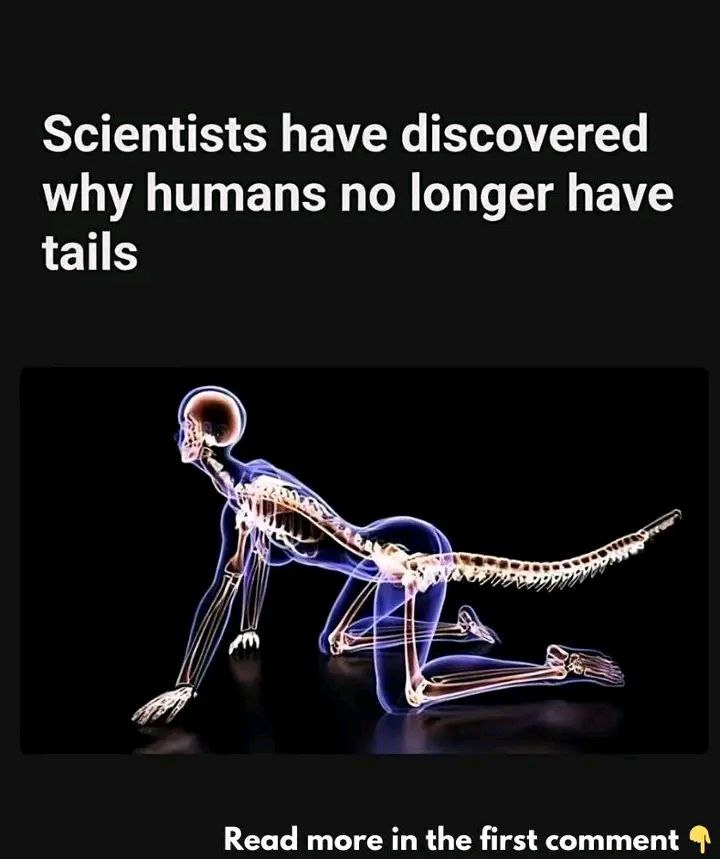
Around 25 million years ago, our primate ancestors lost their tails, a change that puzzled scientists for years. Recent research published in Nature has pinpointed the genetic mechanism behind this evolutionary milestone, led by Bo Xia from New York University. His curiosity about human tailbone origins, sparked by a personal injury, led to the discovery of a mutation in the TBXT gene, which influences tail length across species.
The researchers found that this mutation involves “jumping genes,” specifically Alu elements, which enhance genetic diversity. These elements affect a process called alternative splicing, altering RNA molecules to exclude an essential exon, ultimately contributing to tail loss.
Experiments on genetically modified mice, carrying the same mutations as humans and apes, showed they also lost their tails, confirming the mutation’s role in this evolutionary change. However, the mutation also raises the risk of neural tube defects, highlighting a trade-off between evolutionary benefits and health vulnerabilities.
This groundbreaking discovery not only clarifies the evolution of human anatomy but also opens new avenues for understanding our species’ development and the intricate relationship between genetics and evolution.
