When a hairstylist and fashion designer mock the absurdities of the fashion industry with outrageous designs, they unwittingly spark a global trend that champions individuality and sustainability, proving that satire can inspire meaningful change.
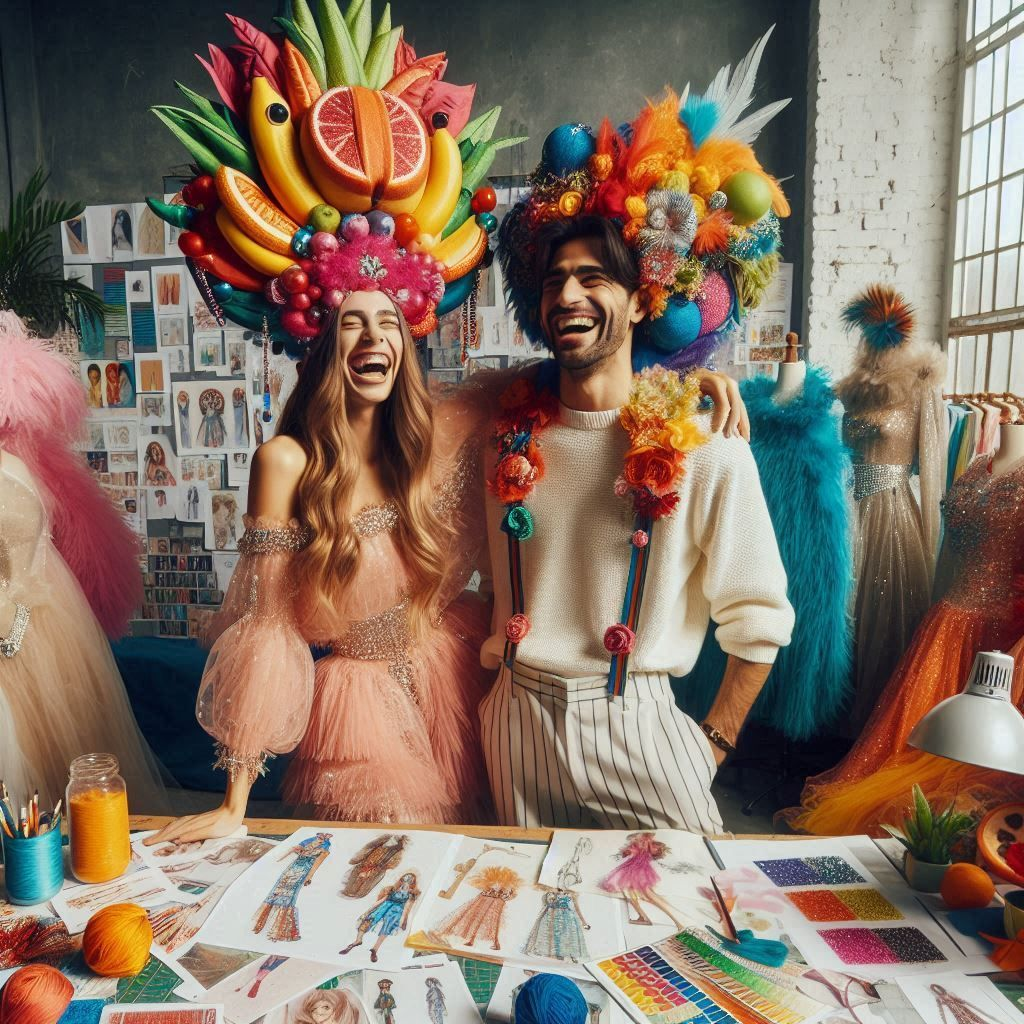
In a small studio nestled in the heart of the city, two friends, Mia and Leo, worked tirelessly as a hairstylist and fashion designer, respectively. Both were disillusioned with the fashion industry, which seemed to celebrate absurdity over artistry. In a moment of playful rebellion, they decided to mock the industry by creating intentionally ridiculous designs—oversized hats shaped like fruit, dresses made entirely of recycled plastic bags, and pants that looked like they were borrowed from a circus.Mia styled hair to match these outrageous outfits, creating towering hairstyles adorned with feathers and glitter. They laughed as they showcased their creations on social media, expecting only their friends to appreciate the humor. To their surprise, the post went viral. The fashion world, always hungry for the next big trend, began to take notice.Soon after, what started as a joke spiraled into a full-blown movement. Designers began incorporating elements from Mia and Leo’s bizarre collection into their own lines. The oversized fruit hats became a staple at fashion shows, while plastic-bag dresses graced red carpets worldwide. Celebrities donned their creations, turning what was once a mockery into high fashion.
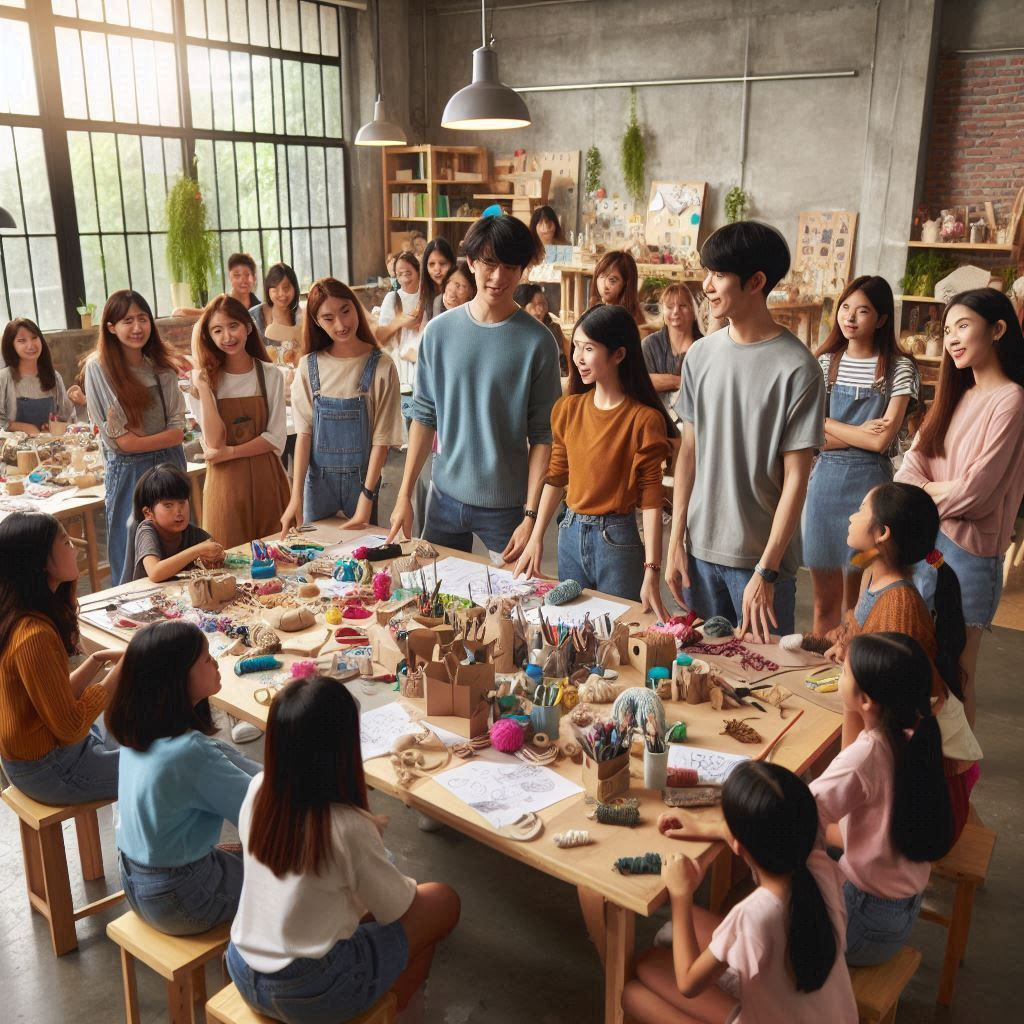
Mia and Leo watched in disbelief as their whimsical designs gained traction. “This can’t be happening!” Mia exclaimed one day as she scrolled through photos of stars wearing their fruit hats. “We were just trying to make a statement!”As the trends took off, they realized that their satire had struck a chord with a generation eager for change. The fashion industry was embracing eccentricity and rejecting conventional beauty standards. What began as a lighthearted critique became a catalyst for self-expression and individuality.However, amidst the chaos of success, they faced an ethical dilemma. Were they responsible for promoting such absurdity? As they navigated this newfound fame, Mia and Leo decided to use their platform to advocate for sustainability and authenticity in fashion. They organized workshops teaching others how to create unique styles from recycled materials while still celebrating the joy of creativity.
In the end, what started as a mockery transformed into a movement that challenged the norms of the fashion industry. Mia and Leo learned that sometimes laughter can lead to meaningful change—and that the line between satire and reality is often thinner than one might think.
