As H.H. Holmes orchestrates his gruesome crimes in Chicago during the 1893 World’s Fair, he becomes a chilling figure in American history, marking the emergence of serial killers as international symbols of fear and intrigue, alongside the infamous Jack the Ripper in London.
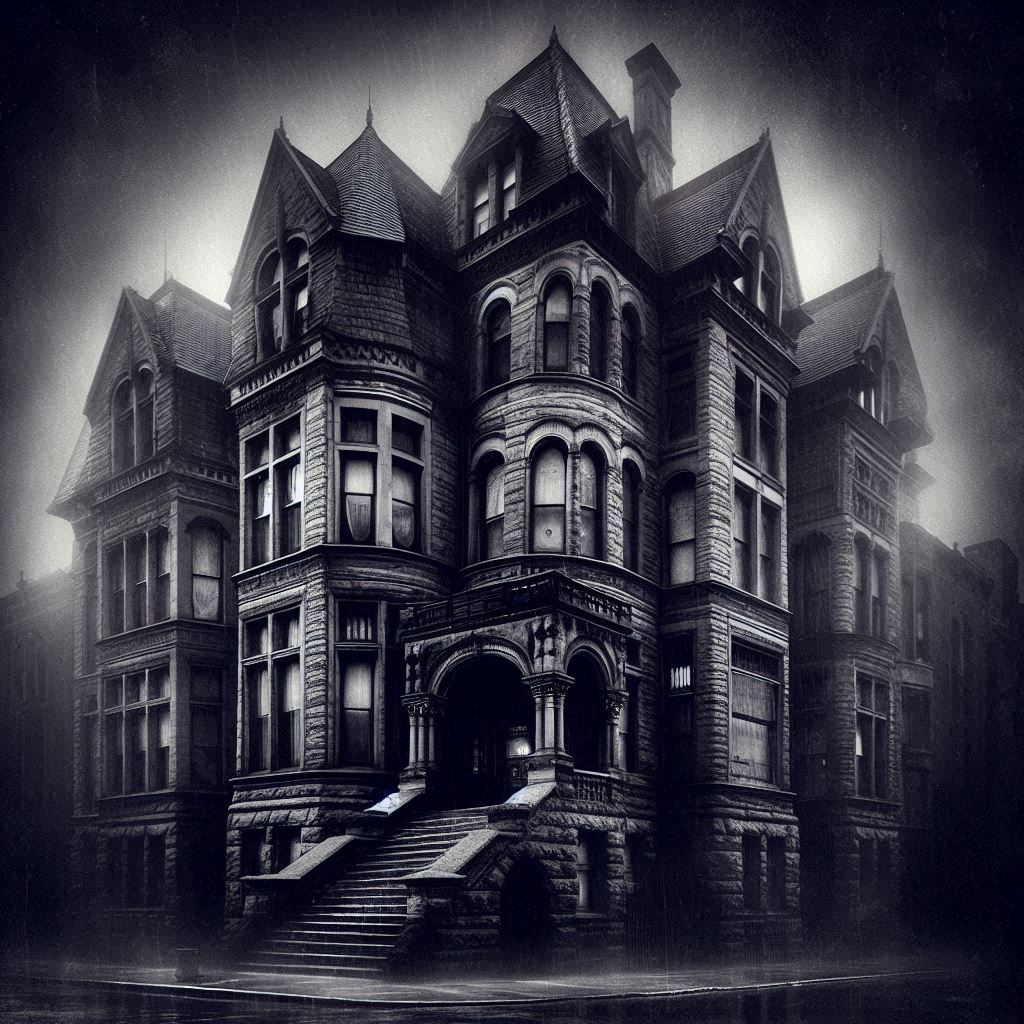
In the late 19th century, a chilling figure emerged from the shadows of American history—H.H. Holmes, often regarded as the first known serial killer. Operating in Chicago during the World’s Columbian Exposition of 1893, Holmes crafted a sinister reputation that would echo through time. His elaborate “Murder Castle,” a hotel designed with secret passages, trapdoors, and soundproof rooms, became the backdrop for his heinous crimes.Holmes was a master manipulator, luring victims—primarily young women—into his lair under the guise of hospitality. He would often become engaged to them, securing their life savings before committing murder. The castle’s basement was equipped with a dissecting table and crematory, where he disposed of bodies with chilling efficiency. While he confessed to 27 murders, some estimates suggest that the true number could exceed 200.As Holmes’s crimes unfolded, they attracted significant media attention, fueled by sensationalized reports that painted him as a monstrous figure. This notoriety marked a turning point in how society viewed serial killers; they were no longer just local criminals but figures of international intrigue. The press coverage surrounding Holmes’s trial and execution in 1896 captivated audiences across the globe, establishing a template for future serial killer narratives.
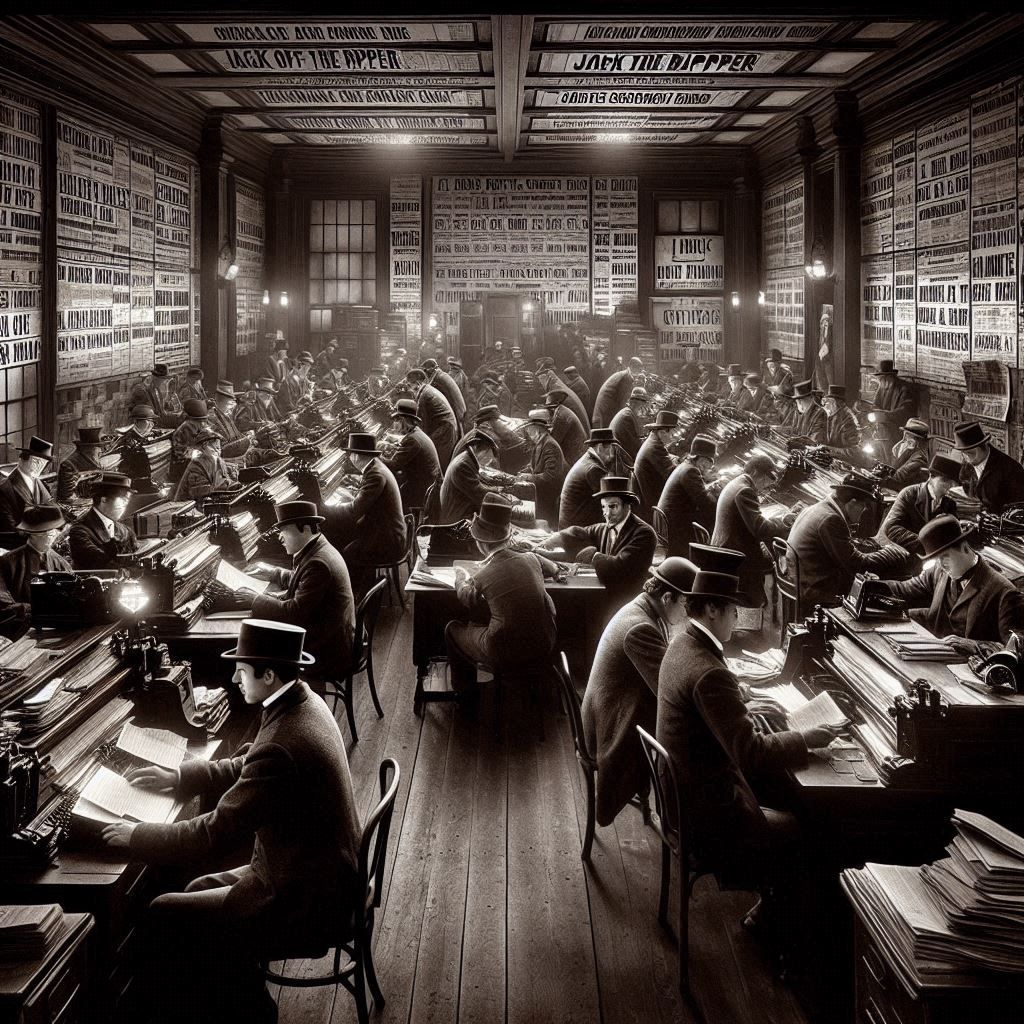
Simultaneously, across the Atlantic, another notorious figure was making headlines—Jack the Ripper. Operating in London around the same time as Holmes, the Ripper’s gruesome murders of women created a media frenzy that captivated the public’s imagination. Although not the first serial killer in history, Jack the Ripper’s case was pivotal in shaping modern perceptions of such criminals.The emergence of these two figures heralded a new era of crime reporting and public fascination with serial killers. They became symbols of fear and intrigue, leading to widespread discussions about mental illness, criminal psychology, and societal safety. As law enforcement began to recognize patterns in these crimes, the groundwork was laid for modern criminal profiling.
Holmes’s legacy continues to haunt popular culture today—his story has inspired countless books, films, and documentaries. The chilling reality is that his actions not only shocked a nation but also marked the beginning of a dark fascination with serial killers that persists in contemporary society.
