If you see a purple fence post, you need to know what it means
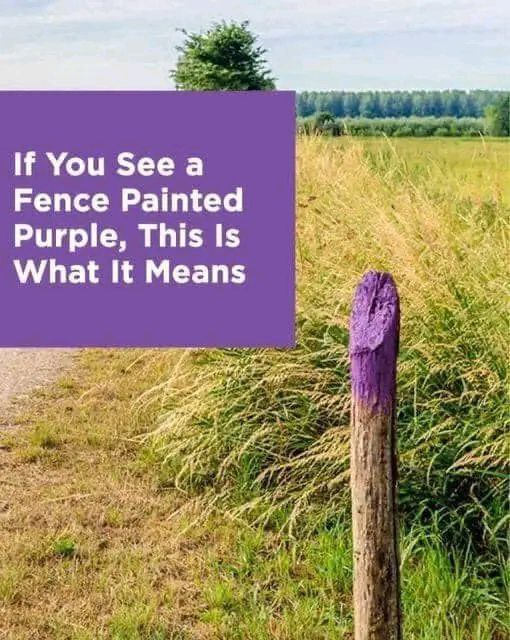
Purple fence posts serve as a clear signal of “no trespassing.” This unconventional marker, which originated from Arkansas’s “purple paint law” in 1987, allows landowners to indicate private property boundaries without traditional signs, which can deteriorate over time. Currently, 22 states have adopted this law, with specific requirements for the markings: they must be painted 3 to 5 feet above the ground, at least 8 inches long, and spaced no more than 100 feet apart.
The use of purple paint is effective for its durability and clarity, providing a consistent warning to hikers and outdoor enthusiasts. In states lacking this law, travelers may be unaware of its significance, emphasizing the importance of understanding and respecting these markers. If you encounter a purple post, it’s crucial to heed the warning and avoid trespassing, as doing so can lead to legal issues and conflicts with property owners. Raising awareness about the purple paint law is vital for ensuring safety and respecting private property rights in the outdoors.
