Why sports events start with the National Anthem
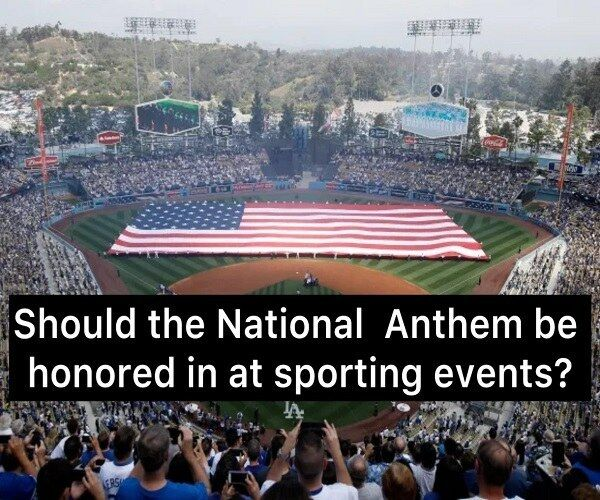
Why Sports Events Start with the National Anthem
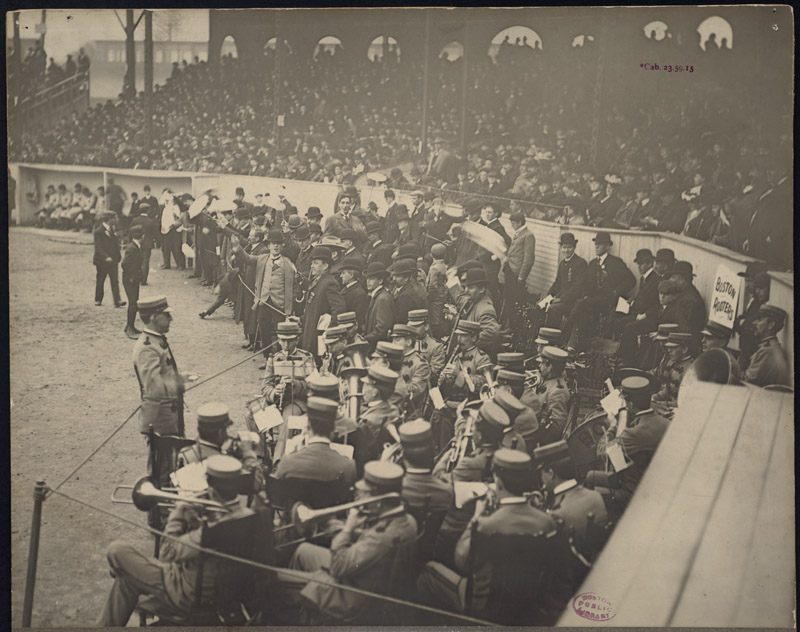
“The Star-Spangled Banner” is more than just a song at sporting events; it’s a symbol of national pride. The tradition of playing the anthem before games began during World War I, particularly after the 1918 World Series, when it was played at a somber game between the Boston Red Sox and the Chicago Cubs. Amid the sorrow of the war and a tragic bombing, the anthem sparked a wave of patriotism that continued in future games.
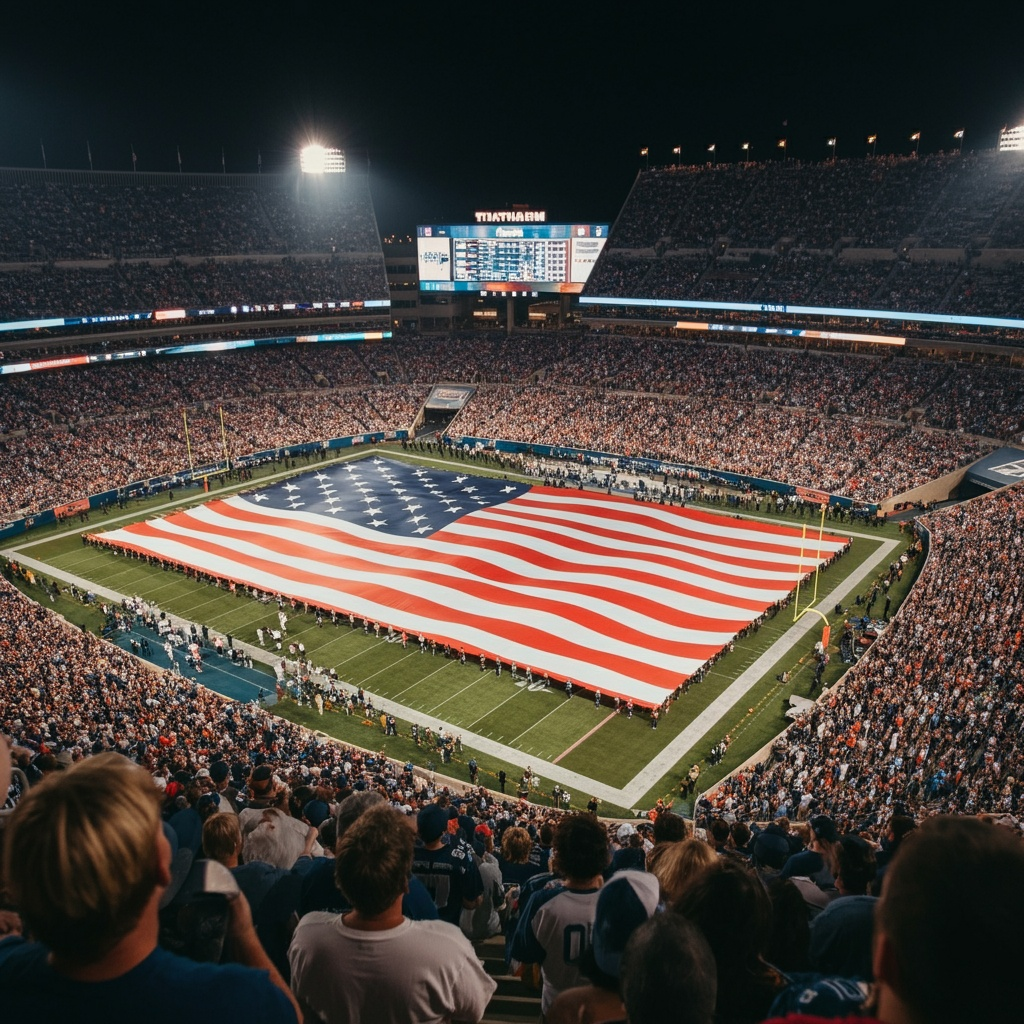
By 1931, when the anthem was officially adopted, it had already become a fixture in sporting rituals, particularly after World War II, when advancements in sound systems made it ubiquitous. Though its presence at events has been debated over the years, especially during times of social unrest like Colin Kaepernick’s protest, the anthem remains a deeply ingrained tradition.
The debate continues, with some seeing it as a tribute to veterans and others questioning its place in sports. Ultimately, the meaning of the anthem is personal, and opinions on its role at sporting events vary.
