Understanding Eczema and Dyshidrotic Eczema
Eczema, or dermatitis, is a group of conditions causing skin inflammation, redness, and itching. It’s common in the U.S., affecting around 35 million people, with many cases starting in children under five. Although eczema isn’t curable, flare-ups can be managed with the right treatment.
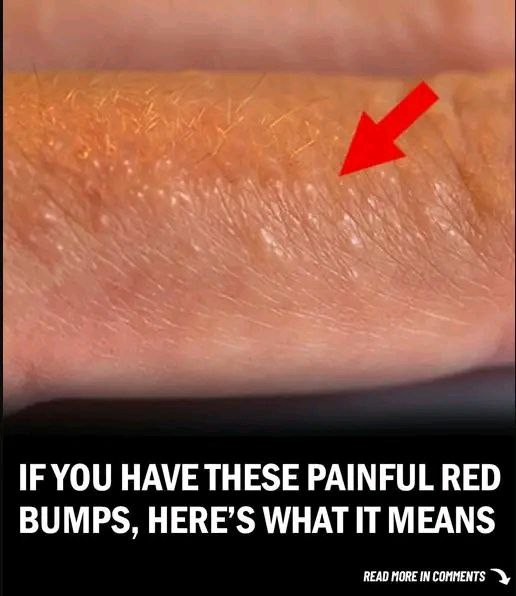
The most common form of eczema is dyshidrotic eczema, which causes itchy blisters on the fingers, toes, palms, and soles. These blisters are often painful and more likely to appear during the spring due to seasonal allergies. The condition may also cause skin cracking and scaling as the blisters heal.
Dyshidrotic eczema is not contagious, but it can be triggered by allergens, stress, or hereditary factors. Treatment typically involves moisturizers, topical steroids, and avoiding known triggers.
While there’s no cure, eczema can be controlled through proper care:
- Moisturize regularly to keep the skin hydrated.
- Avoid irritants like harsh soaps and allergens.
- Use prescribed treatments for flare-ups.
If you have persistent skin issues, consult a dermatologist for an accurate diagnosis and treatment plan.
