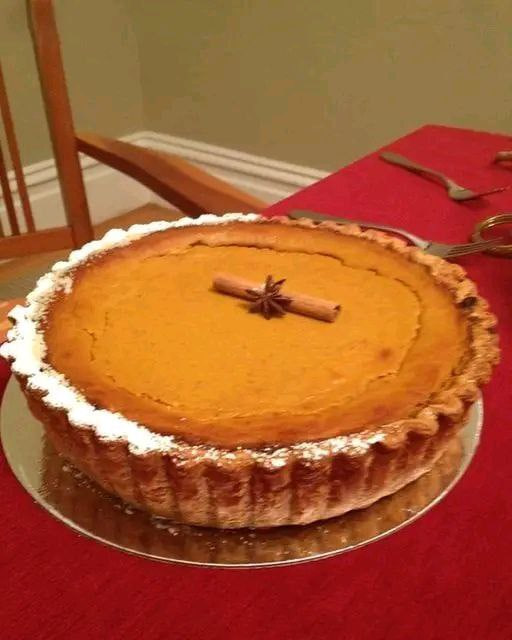
Nancy had spent 23 years grieving the loss of her beloved son, Henry, who died in a tragic accident when he was just 17. Every year, on the anniversary of his death, she baked his favorite pie—a warm apple and cinnamon creation—and took it to his grave. It was the one tradition that connected her to him, a small but cherished ritual that brought comfort in her grief.
At 61, Nancy had never missed a year. The scent of fresh-baked pie always brought back memories of Henry running into the kitchen, his face lighting up with excitement at the sight of his favorite treat. The pain of losing him was constant, but each year, the pie gave her a sense of closeness to him.
This year, however, something unusual happened. After she placed the pie on Henry’s grave, as she always did, she kissed the gravestone and whispered her goodbye. The next day, when Nancy returned to clean up, she was stunned. The pie was gone, replaced by a folded piece of paper.
With trembling hands, she opened the note. The shaky handwriting simply read: “Thank you.”
Confused and upset, Nancy wondered who would take her son’s pie. It was her sacred ritual, and someone had intruded on it. Determined to find answers, she decided to investigate, unaware that the note would lead her to an unexpected discovery that would change everything she thought she knew about grief and healing.
