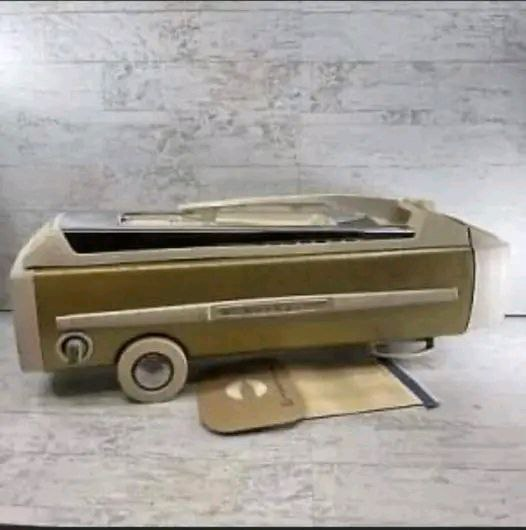
The evolution of vacuum cleaners is a fascinating journey from early manual cleaning tools to modern electric devices. In the 1930s, the Hercules vacuum cleaner, a bulky and luxurious appliance, symbolized sophistication during the Great Depression, even featuring extravagant designs like crocodile skin. Before vacuums, brooms were the primary cleaning tool, perfected in 1797 with the invention of broomcorn by a Massachusetts farmer. The first vacuum cleaner emerged in the 1860s, created by Daniel Hess, but it wasn’t until 1869 that Ives McGaffey’s design aimed at dust collection gained attention, though it was difficult to use. The true breakthrough came in 1907 when janitor James Murray Spangler invented a practical, portable vacuum cleaner with a motor-driven brush and a dirt-collecting pillowcase. Spangler sold his patent to his cousin, Susan Hoover, leading to the creation of the Hoover brand, which became synonymous with reliable cleaning. The progression from cumbersome machines like the Hercules to today’s efficient models highlights human ingenuity and technological advancement in everyday household appliances.
