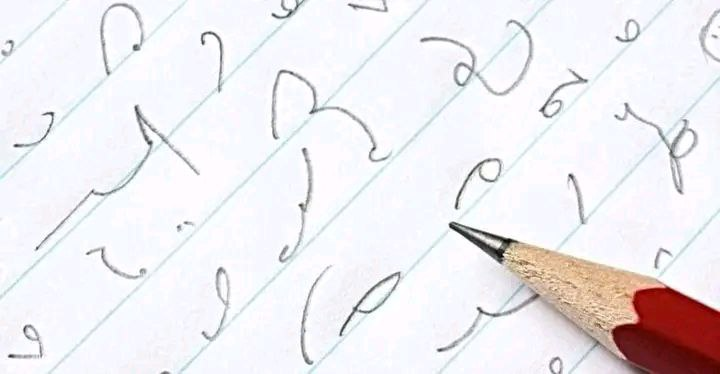
Before digital tools, shorthand was a vital method for fast note-taking. It dates back to ancient Greece, where historian Xenophon developed early shorthand, which was later used in the Roman Empire. Over time, shorthand fell out of use but resurfaced during the Victorian era and the Industrial Revolution, as stenographers became essential for transcription.
In 1837, Sir Isaac Pitman introduced a new shorthand system, which was brought to America in 1852. This evolved into Gregg Shorthand in 1888, which became popular in the U.S. It simplified writing by reducing letters to basic forms, allowing note-takers to write faster. Shorthand systems like Gregg can be unrecognizable, often mistaken for ancient scripts due to their distinctive loops and dots.
Although shorthand looks different from regular text, it’s still used in professions such as law, medicine, and secretarial work. Mastering Gregg allowed individuals to write up to 280 words per minute, showcasing its efficiency. While largely obsolete today, shorthand remains a unique and efficient method for fast transcription.
