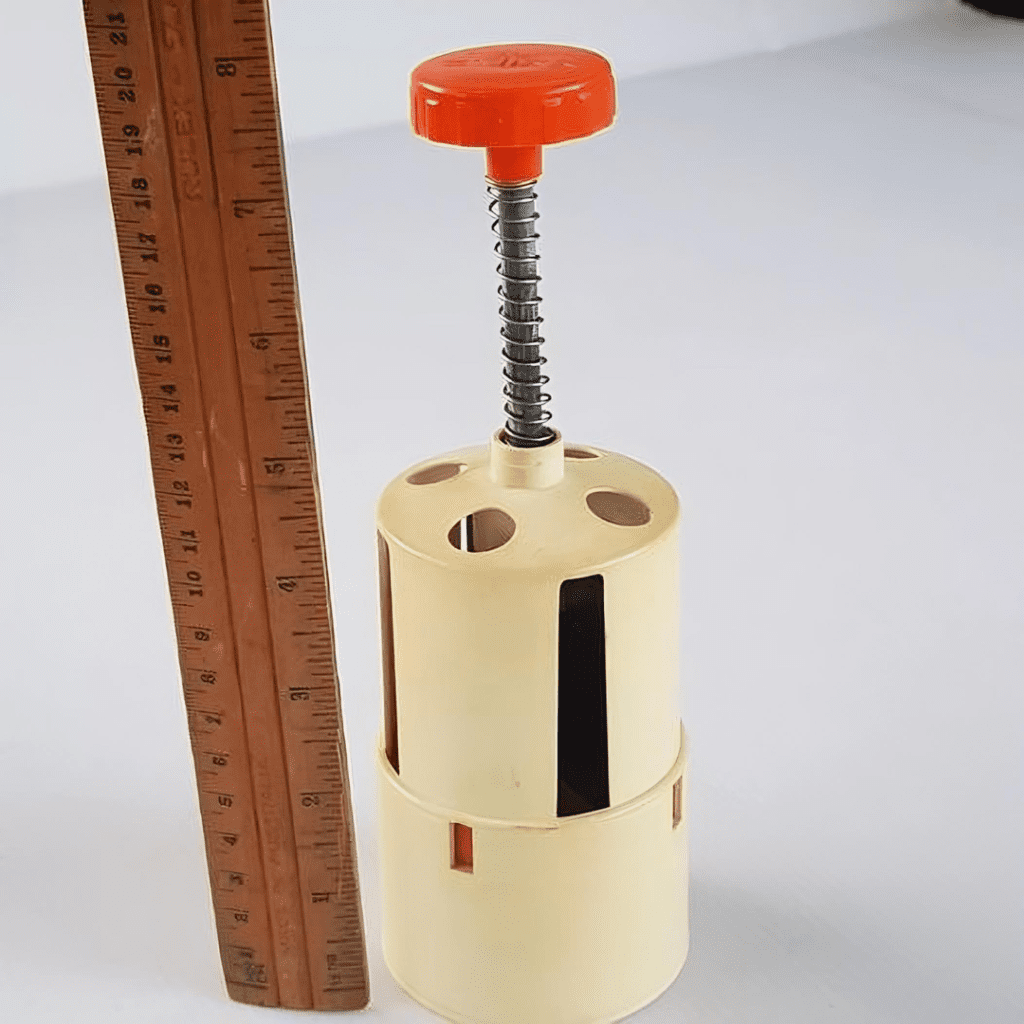
The onion chopper, a staple in kitchens worldwide, has roots tracing back to ancient food preparation techniques. Early civilizations relied on knives and handheld tools to process onions and other ingredients. However, the evolution of kitchen gadgets in the late 19th and early 20th centuries introduced mechanical onion choppers, revolutionizing the art of food preparation.
Early designs often featured hand-crank mechanisms or lever-operated blades, simplifying the task of dicing onions. These innovations saved time and minimized effort, quickly making onion choppers indispensable in both domestic and professional kitchens. With sturdy construction and sharp blades, they provided uniform, precise cuts, catering to the needs of home cooks and chefs alike.
Throughout the 20th century, the onion chopper became an iconic symbol of kitchen efficiency. It appeared in cooking shows, recipe books, and culinary traditions, earning cultural significance beyond its utilitarian role.
Though modern appliances have advanced chopping technology, vintage onion choppers remain cherished collectibles. Their legacy endures, inspiring contemporary designs that blend retro aesthetics with modern functionality, ensuring their timeless appeal among culinary enthusiasts.
