Which is better for cooking, gas or electric? These are some things to be aware of.
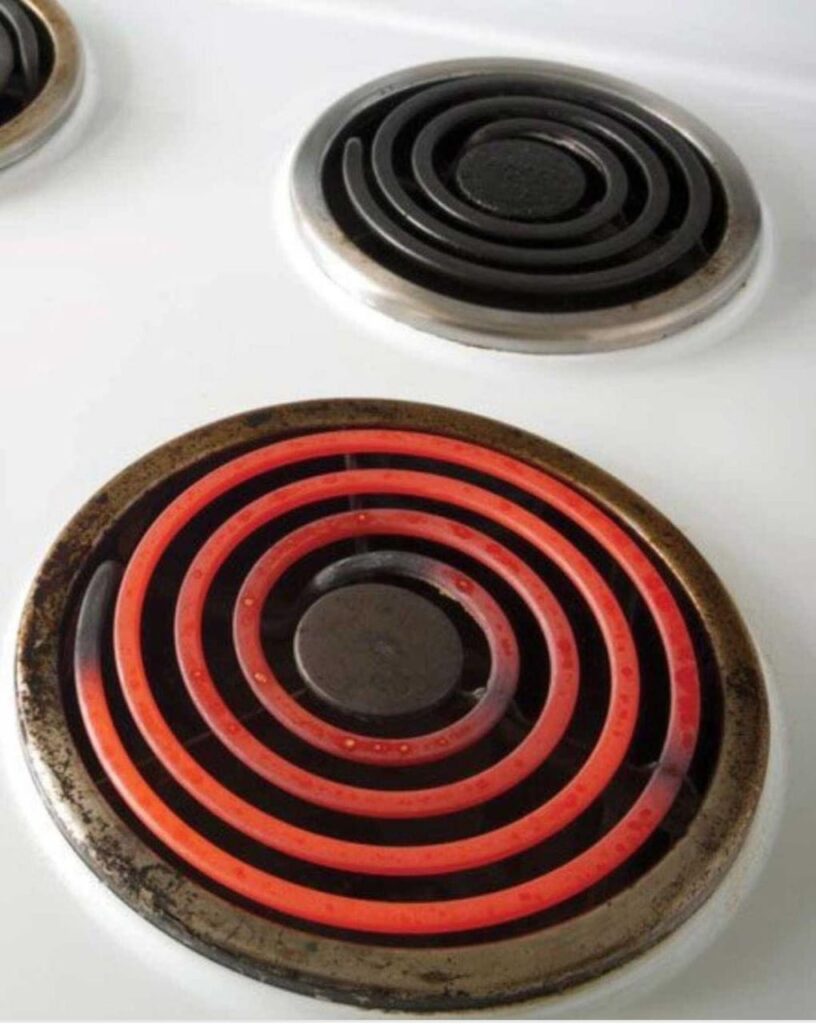
The debate between gas and electric stoves continues to be a hot topic. Many people tend to prefer what they grew up with, and that’s understandable—familiarity often shapes our choices. But beyond nostalgia, which is actually better for cooking: gas or electric?
Factors to Consider
There isn’t a one-size-fits-all answer because both types of stoves have their own cooking methods. Your choice might depend on what you cook most often, along with considerations of safety and utility costs. Let’s explore these factors in detail.
Gas Stoves: Cost-Effective in the Long Run
Investing in a new stove is a significant decision. When comparing gas and electric stoves, the price ranges can vary. Low-end electric stoves start at around $650, whereas gas stoves start at approximately $800. High-end electric stoves can reach up to $2,800, while top-tier gas stoves cost about $2,300.
In the long run, gas stoves tend to be cheaper because of lower utility costs. Utility rates vary, but generally, gas is less expensive than electricity. Choosing a gas stove can save you 10-30% annually on utility bills.
Electric Stoves: Safer Option
Electric stoves are generally safer than gas stoves. Gas stoves have open flames, which can be hazardous, especially around children and pets. Items like tea towels and wooden spoons can catch fire if they’re too close to the flame. While electric stoves can still burn you, it’s less likely. Gas stove flames indicate when they’re hot, but electric burners can stay hot without visible signs. Nonetheless, electric stoves are less likely to cause burns and don’t emit gas, eliminating the risk of leaks.
Gas Stoves: Faster Cooking
Gas stoves heat up quickly, which is why many restaurants use them. They significantly reduce cooking time because gas burners ignite instantly and start heating the pot immediately. Electric stoves, on the other hand, take longer to heat up.
Electric Ovens: Even Cooking
Electric ovens provide more even cooking compared to gas ovens. Gas ovens emit moisture, creating a wetter heat, while electric ovens provide dry heat, which is perfect for roasts and baked goods. Gas ovens might cook unevenly, so food should be placed away from the heat source and rotated regularly.
Gas Stoves: Versatility
Gas stoves offer more versatile cooking options, such as flambéing, charring, and toasting, which electric stoves can’t do as effectively. This versatility makes them a favorite among professional chefs and dedicated home cooks.
Electric Stoves: Easier to Clean
Flat-top electric stoves are easier to clean; a damp sponge can usually handle most messes. Even electric stoves with coil burners are manageable—remove the burner, clean the plate, and reattach it. Cleaning typically takes just a few minutes.
In contrast, gas stoves have heavy, multi-part grates that need to be removed for cleaning, which can be time-consuming. There’s also a risk of losing an important piece.
ALSO READ
Conclusion
Ultimately, the choice between gas and electric stoves depends on your cooking habits, safety needs, and willingness to manage utility costs and cleaning. Both have their advantages, so consider what matters most to you in your kitchen.
